
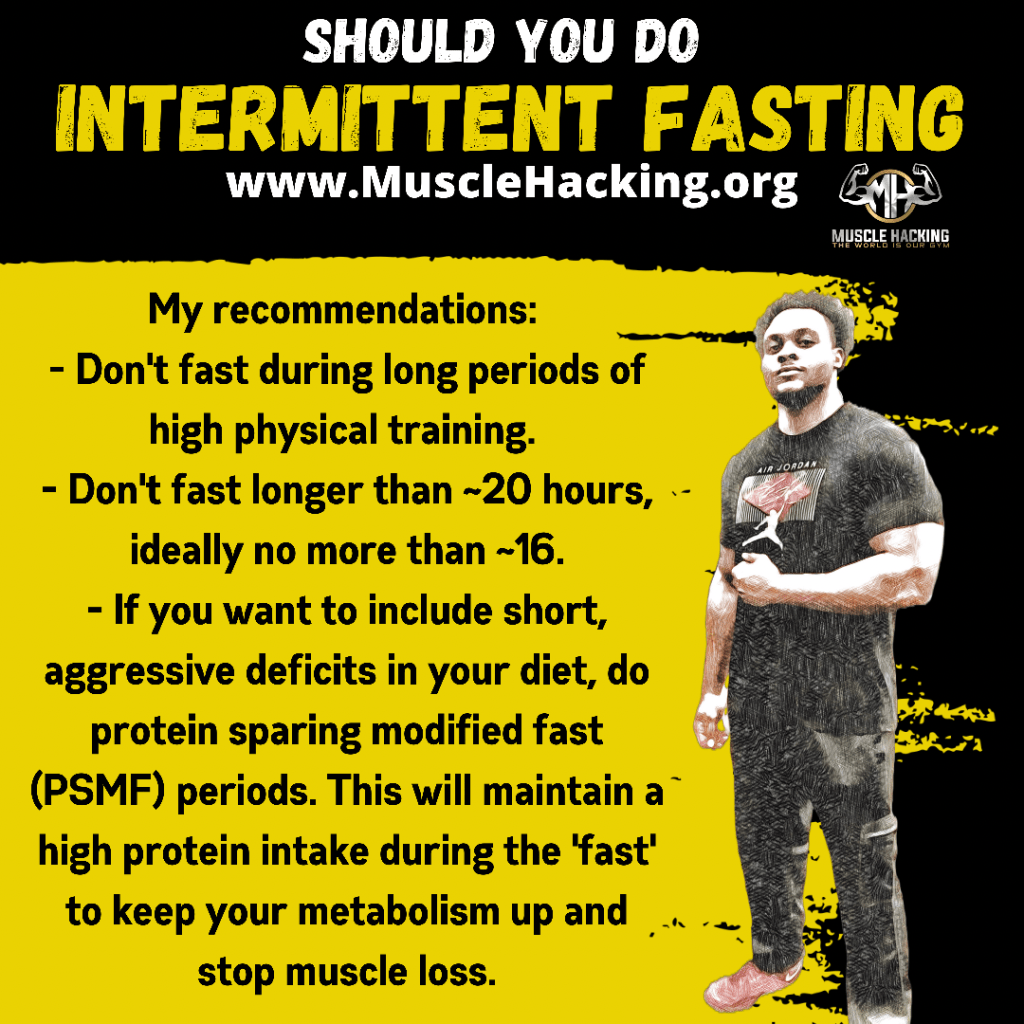
♠️Intermittent Fasting♠️
🔹 There is a new study by Templeman et al. that was recently published and it doesn’t look too good for those who likes to fast…
🔹 The analyst compared weight loss diets with 25% daily energy restriction vs. fasting diets with 0% energy intake during the 24-hour fasts and 150% energy intake in between. The study was practiced on healthy adults.
🔹 Both groups had the same weekly energy intake and macros but either with long fasting or without.
🔹 As a result, the fasting group lost less body fat. This is because they experienced a significant reduction in energy expenditure from physical activity, especially later on into their fasting.
🔹 Many other studies have directed towards the reductions in physical activity levels during fasting, which is the reason why I don’t recommend intermittent fasting during periods of high physical activity, and not fasting too long in general.
🔹 The fasting group also lost a substantial amount of lean body mass, although this was not significantly different from the other group.
🔹 Furthermore, the fasting did not conclude to a significant cardiometabolic health improvements, including insulin sensitivity and blood blood sugar levels after eating.
🔹 And here’s the kicker: the fasting group did not result in any beneficial changes in gene expression of inflammation and autophagy.
🔹 My recommendations:
– Don’t fast during long periods of high physical training.
– Don’t fast longer than ~20 hours, ideally no more than ~16.
– If you want to include short, aggressive deficits in your diet, do protein sparing modified fast (PSMF) periods. This will maintain a high protein intake during the ‘fast’ to keep your metabolism up and stop muscle loss.
Resources: https://pubmed.ncbi.nlm.nih.gov/29394908/
 musclehacking.org