






Resources: https://pubmed.ncbi.nlm.nih.gov/21324330/
♠️Supers Sets & Metabolism♠️
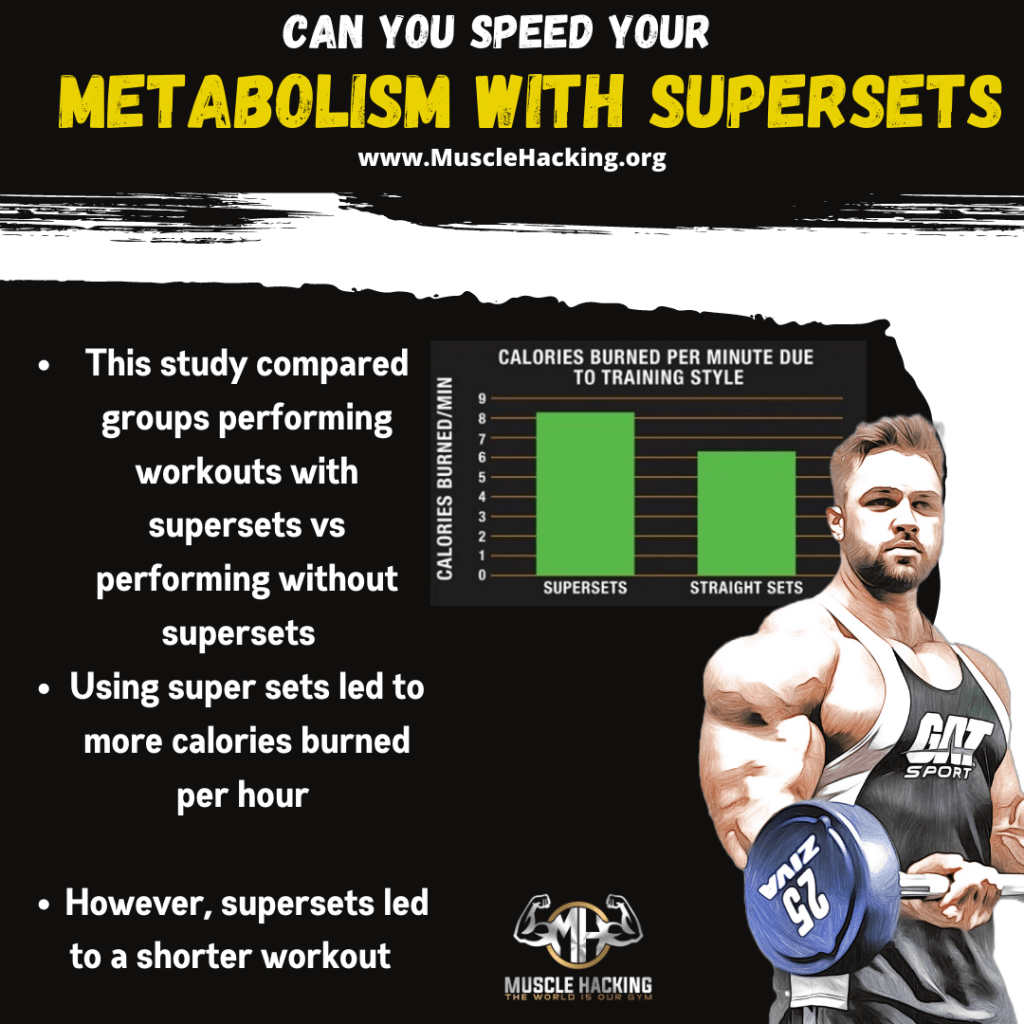
🔹I’ve heard countless times, practitioners and trainers state that using supersets is optimal for burning more calories. In short, this turns out to be true; However, there’s more to this statement than meets the eye.
🔹It’s a known fact that a huge benefit of using supersets is that it can reduce your time in the gym. If your workout time in the gym is reduced, you’ll reduce calories burned in the gym. In essence, that’s what this case study discovered. Performing supersets was a great way for burning more calories per minute, but since supersets decreased the workout time, total calorie burning was similar between both groups.
🔹From my experience, you still get an extra boost from using supersets from an EPOC (Excess Post Exercise Oxygen) standpoint, but I’m not convinced that it’ll burn a ton of extra calories throughout the day. If anything, supersets can be beneficial for challenging your conditioning and work capacity which helps for long-term gains.
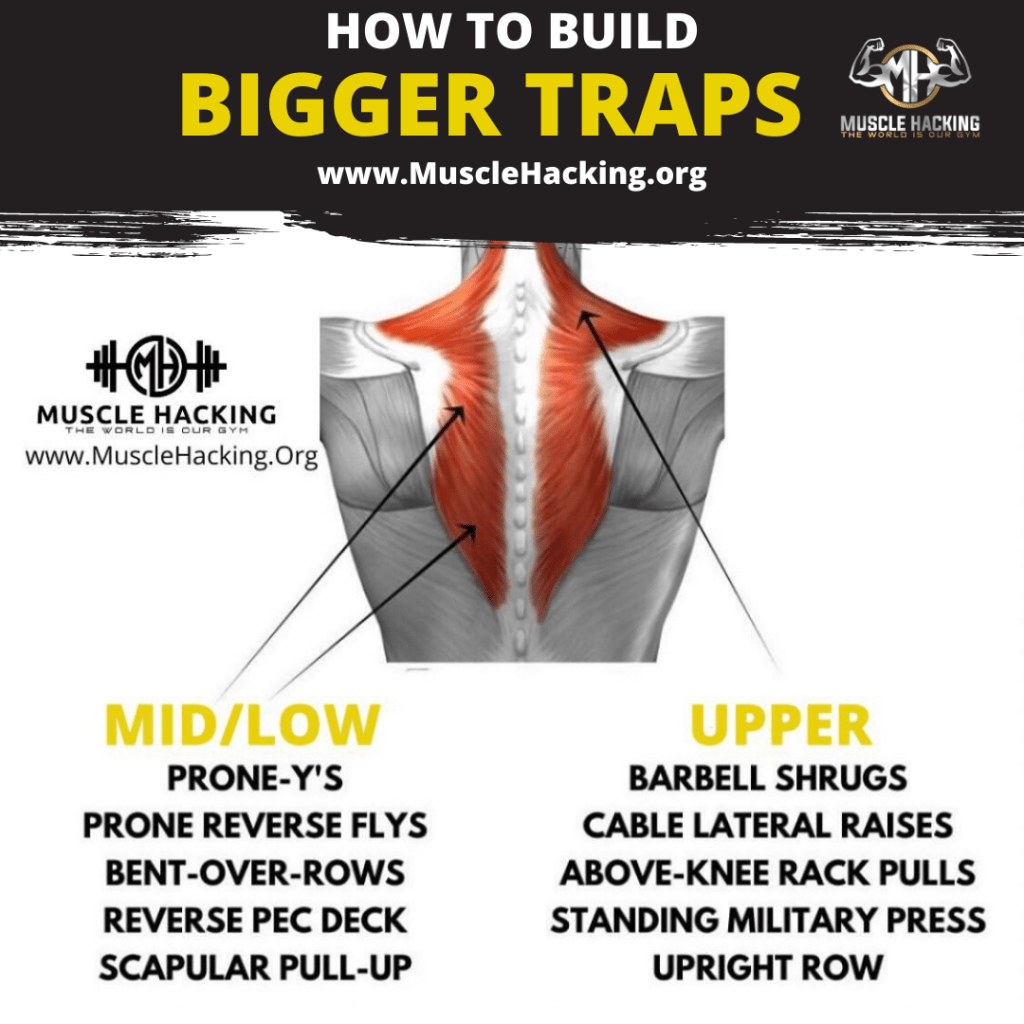
♠️Build Bigger Traps♠️
🔹 Want to be a trap king or trap queen? You have to know this about growing bigger traps…
🔹 The trapezius are often recognized by the part that you see in the mirror, which are the upper portion of the traps. But the traps actually stretch down the back.
🔹 Training the traps requires more than performing shrugs. If you want to target the mid and lower part of your trapezius, try these workouts and watch the gains appear right before your eyes.
Prone- Y’s
Prone Reverse Flys
Bent Over Rows
Reverse Peck Deck
Scapular Pull Ups
🔹 And to target the upper part of the trapezius, try these out for size…
Barbell Shrugs
Cable Lateral Raises
Above The Knee Rack Pulls
Standing Military Press
Upright Rows
🔹 What’s your favorite trap workout?
♠️Recovery♠️
🔹 I can remember my first few months of strength training. I wanted a huge bench press, so what did I do? I benched 4-5x/week to the point that I over trained. Even worse; I killed my gains and my strength came to a hault.
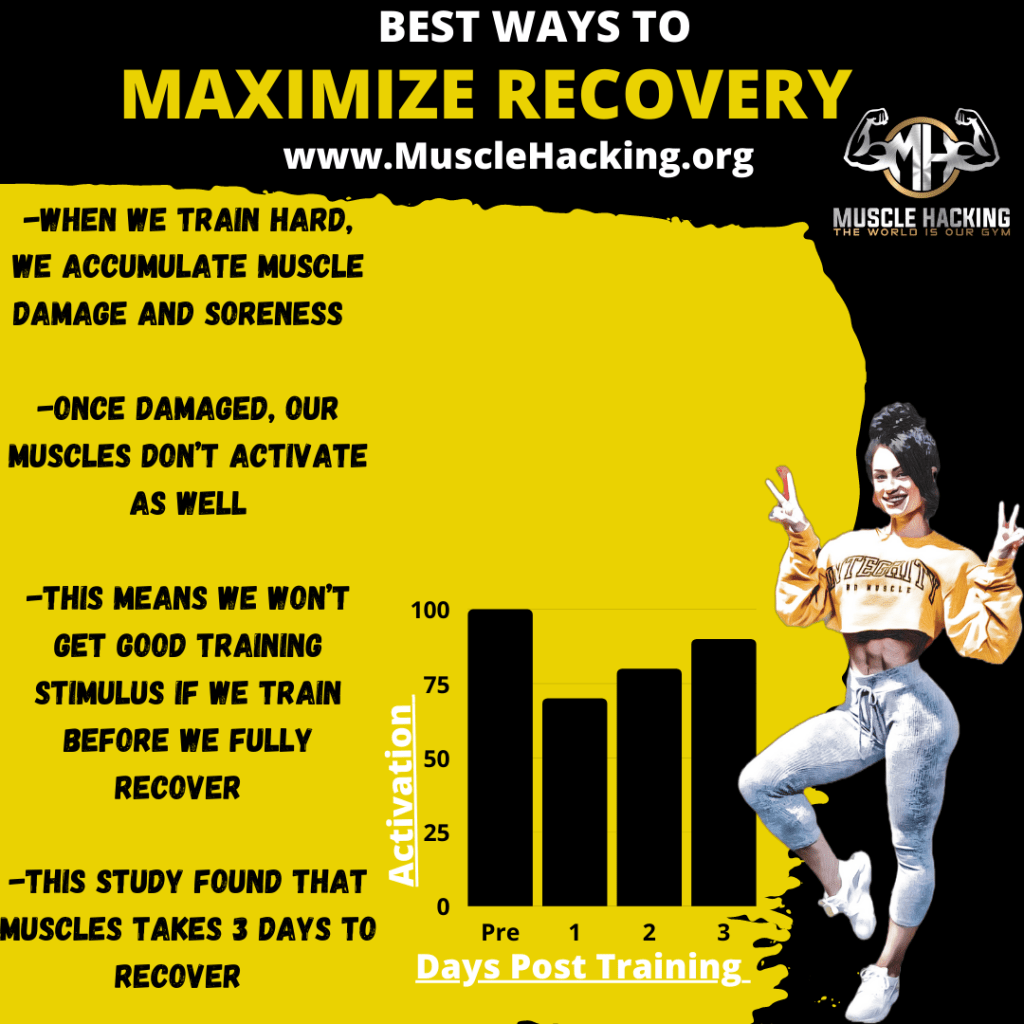
🔹 Studies show that muscles takes around 3-days to recover from a hard workout. Recovery isn’t just feeling better or less sore, but a state in which your muscles are able to reach nearly full activation again. This is essential because a muscle has to be active in an exercise in order to grow from the stimulus. If soreness and fatigue are hindering muscle activation, your workout won’t cause your muscles to grow.
🔹 A prime rule of thumb to remember is that you grow muscles outside of the gym. It’s important that you focus on recovery just as much as training. If you skip this critical step, you’ll find it difficult to reach your goals. Make sure that you give your muscles at least 48-72 hours of rest to optimize your recovery. This is very beneficial for the long run.
Resources: https://pubmed.ncbi.nlm.nih.gov/12741861/

♠️Key To Boosting Metabolism♠️
🔹 If you are in a fat burning phase, you definitely want to focus on speeding up your metabolism through a phenomenon called the EPOC effect, which stands for, “Excessive Post-Exercise Oxygen Consumption.” The EPOC effect will produce more oxygen consumption to the body in the post-workout period. This is beneficial because when we consume more oxygen, we burn more calories.
🔹 How and why does this happen?
🔹 Exercise will increase stress to the body. This interrupts our regular homeostasis. After our workouts, our bodies start to recover from this stress. Things such as tissue repair and nutrient replenishment require more energy, this is why we see increased calorie burning after we exercise. There are studies that show that this effect can last for as long as 38-hours.
🔹 So let’s get to the question, “do all forms of exercise have the same effect”?
🔹 That’s precisely what this experiment investigated. Subjects performed workouts that burned the same amount of calories from resistance training, steady state cardio, and interval training. After that, they tracked their calorie burning throughout the post-workout period to see if there were any differences?
🔹 What were the results?
🔹 The steady state cardio group didn’t boost metabolism one bit. Remember, the primary reason for an increase in metabolism following a workout is due to things like tissue repair or nutrient replenishment. Steady state cardio typically isn’t stressful enough of a stimulus for most people so we don’t have as much muscle damage to repair or fuel stores to fill up.
🔹 On the other hand, both resistance training and interval training did increase metabolism. Both forms of exercise cause muscle damage and interval training will also deplete energy stores a little more than resistance training. Combine these two workouts and you’ll get a solid EPOC effect.
Resources:
https://minds.wisconsin.edu/bitstream/handle/1793/48951/Oschuenkemark2001.pdf
How many of these do you do?
➖
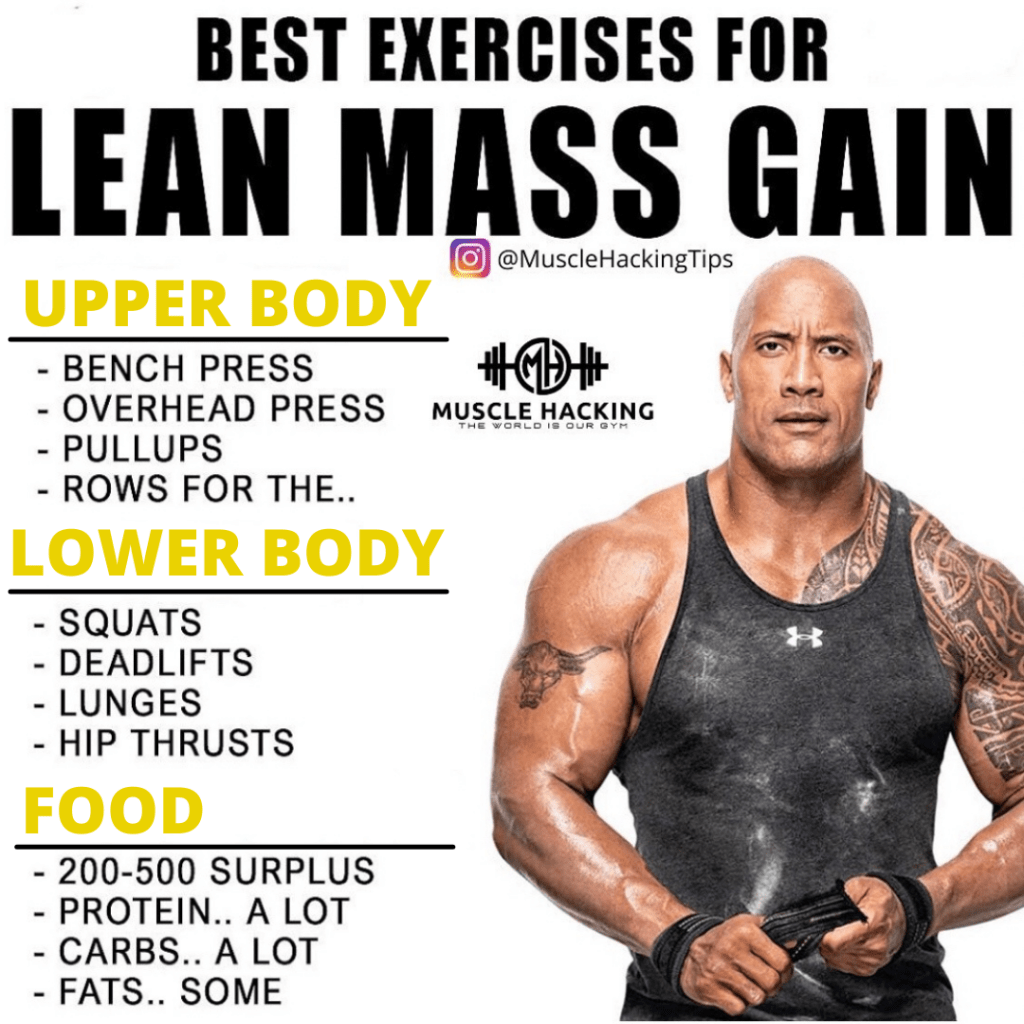
🔹 When it comes to exercise selection, regardless of if in a fat loss phase & a bulking phase, compound lifts (although not essential) should still be prioritised when possible. For example, a common misconception is that when seeking to lose fat you have to switch your exercise selection to favour more “isolation” style movements within a higher rep range whereas that is simply NOT the case
➖
🔹 Your sessions should still revolve mostly around compound lifts as they produce a greater metabolic & hormonal stimulus along with burning the most calories per unit time (Ballor et al 1987, Kraemer & Ratamess 2003). Therefore by performing compounds you can burn more calories per session which is highly beneficial for creating a calorie deficit (Hill et al 2011). Along with this you can stimulate a more anabolic response from training which can aid muscle preservation when in a negative energy balance (Donnelly et al 1993)
➖
🔹 Don’t get me wrong, you can still perform “isolation” movements following your compound movements for the day in order to increase daily/weekly volume per muscle (Schoenfeld 2015) however, one thing that you may need to consider is how MANY perform. As compound lifts have shown to increase recovery demands over isolations (Korak et al 2015), you need to be slightly more careful with how MANY adjunct exercises you chose perform thereafter as, when in a deficit, overall recovery has shown to be reduced (Nattiv et al 2007, Koutedakis et al 1994)
➖
🔹 Conclusion: When bulking, hit your compounds & ramp up daily/weekly volume close to MRV with added supplementary “isolations”. When cutting, do the same however, consider scaling back total volume (mainly via the amount of isolations performed) if you find that you’re not recovering between sessions, developing overuse injuries and/or get sick more often aka three major signs of overtraining syndrome (Lowery & Forsythe 2006)
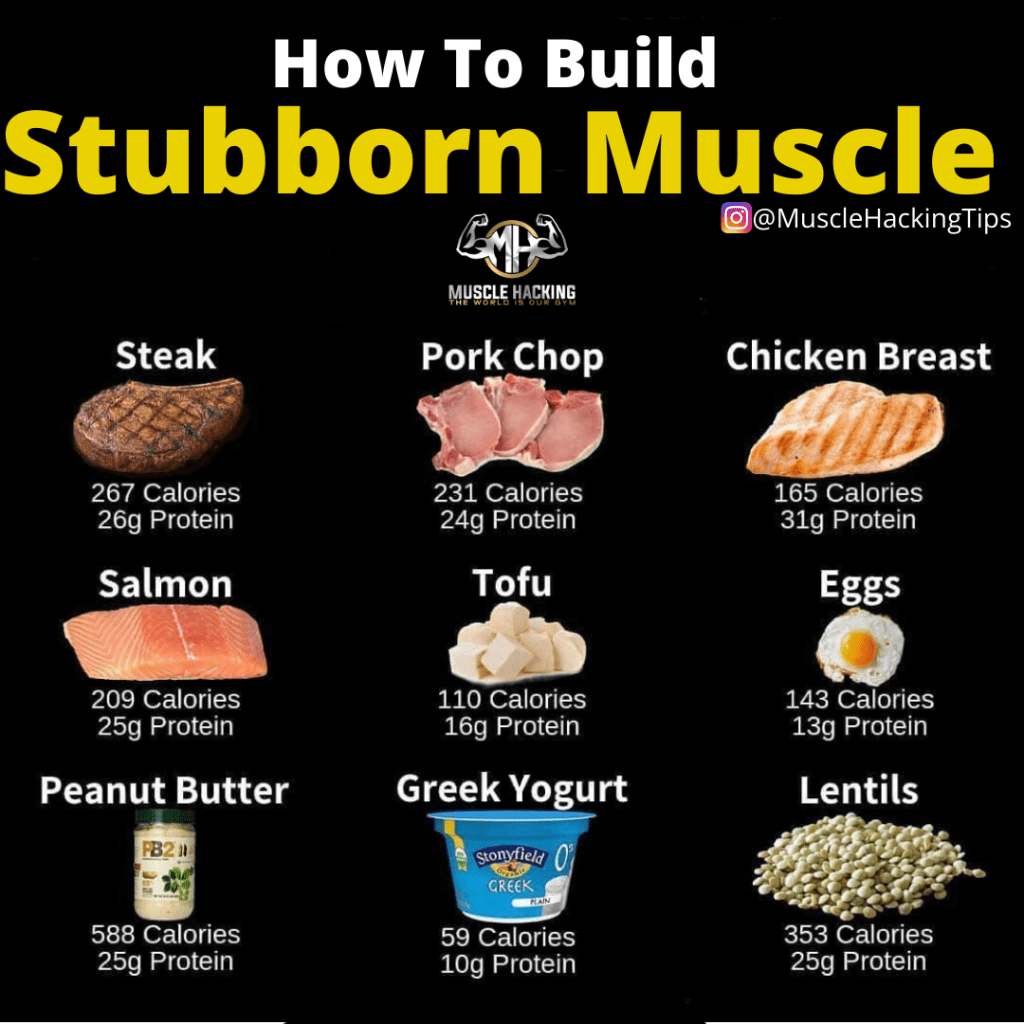
🔹 If you recently started training for less than a year, you don’t have any lagging muscle-groups yet, your entire body is adapting to the stimulus of working out and building muscle. With that said, if you’ve been training for some time time and you are now starting to notice that a certain muscle is lagging behind, you will need to implement some specialized techniques. Here are 4 things I’d recommend if your goal is to bring up a lagging muscle.
_
_
Tip Number 1: Increase Training Frequency
_
🔹 If you’re currently training a muscle-group once per week, I’d recommend that you increase your training to twice per week. This is a way to maximize training-induced protein synthesis and also increases your total volume.
_
Tip Number 2: Prioritize
_
🔹 If you’re trying to build bigger biceps, then avoid from leaving them for the end of your workout when you’re already taxed. Start prioritizing that muscle-group by putting it first.
_
Tip Number 3: Progressive Overload
_
🔹 Progressive overload is the main pathway of building muscle. And unless we’re gradually increasing the amount of work we do, no matter how hard we train, we’ll never grow. Get back to the basics – if you want to build your chest, you’ve got to bench press more weight or do more reps.
_
Tip Number 4: Eat Enough to Grow
_
No matter how solid your training is… if you’re not providing your body with the necessary nutrients to grow, you’ll never build any muscle mass. It’s synonymous to building a house without enough bricks – it doesn’t matter how many workers are present if they don’t have the necessary tools for the job that house will not be constructed.
_
 musclehacking.org