Building Bigger Traps

🔹 Want to be a trap king or trap queen? You have to know this about growing bigger traps…
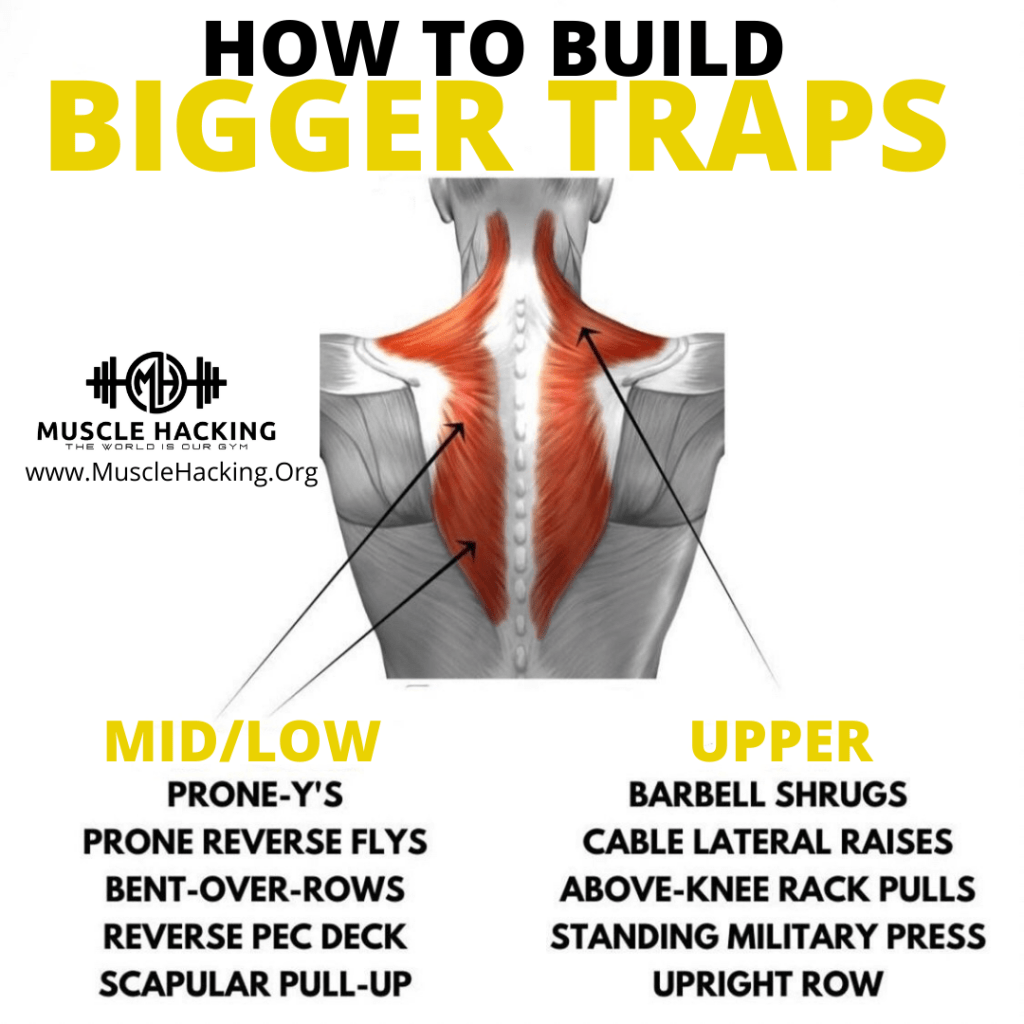
🔹 The trapezius are often recognized by the part that you see in the mirror, which are the upper portion of the traps. But the traps actually stretch down the back.
🔹 Training the traps requires more than performing shrugs. If you want to target the mid and lower part of your trapezius, try these workouts and watch the gains appear right before your eyes.
Prone- Y’s
Prone Reverse Flys
Bent Over Rows
Reverse Peck Deck
Scapular Pull Ups
🔹 And to target the upper part of the trapezius, try these out for size…
Barbell Shrugs
Cable Lateral Raises
Above The Knee Rack Pulls
Standing Military Press
Upright Rows
🔹 What’s your favorite trap workout?
Progressive Overload

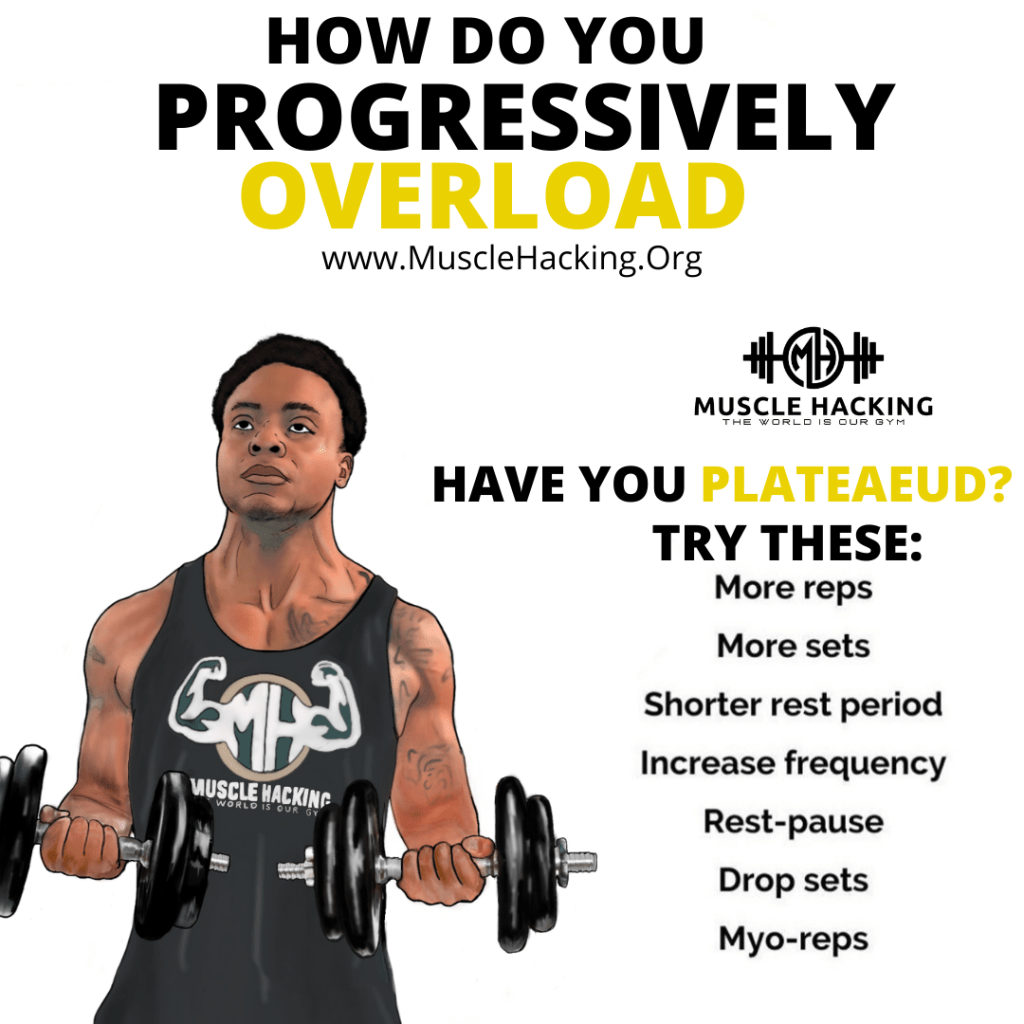
🔹 What does it mean to progressively overload? 🤔
🔹 It means to increase the demands on your muscles through training ☝🏽
🔹 The goal is to improve muscle growth and strength 💪🏽
🔹 A lot of times people plateau when doing this because they only focus on increasing the weights, but that can limit you if this is your only focus 📉
🔹 It’s best to place variety in your workouts 👌🏾
🔹 A variety of progressive overload leads to an increase is muscle growth 📈
🔹 You can switch up the tempo, decrease rest time between sets, increase the number of reps and sets, you can try different methods like test pause, or drop sets 📊
🔹 There are many ways to progressively overload other than increasing the weight 🏋🏽‍♀️
🔹 What’s your favorite way to progressively overload? ⁉️

How To Build Stubborn Muscle

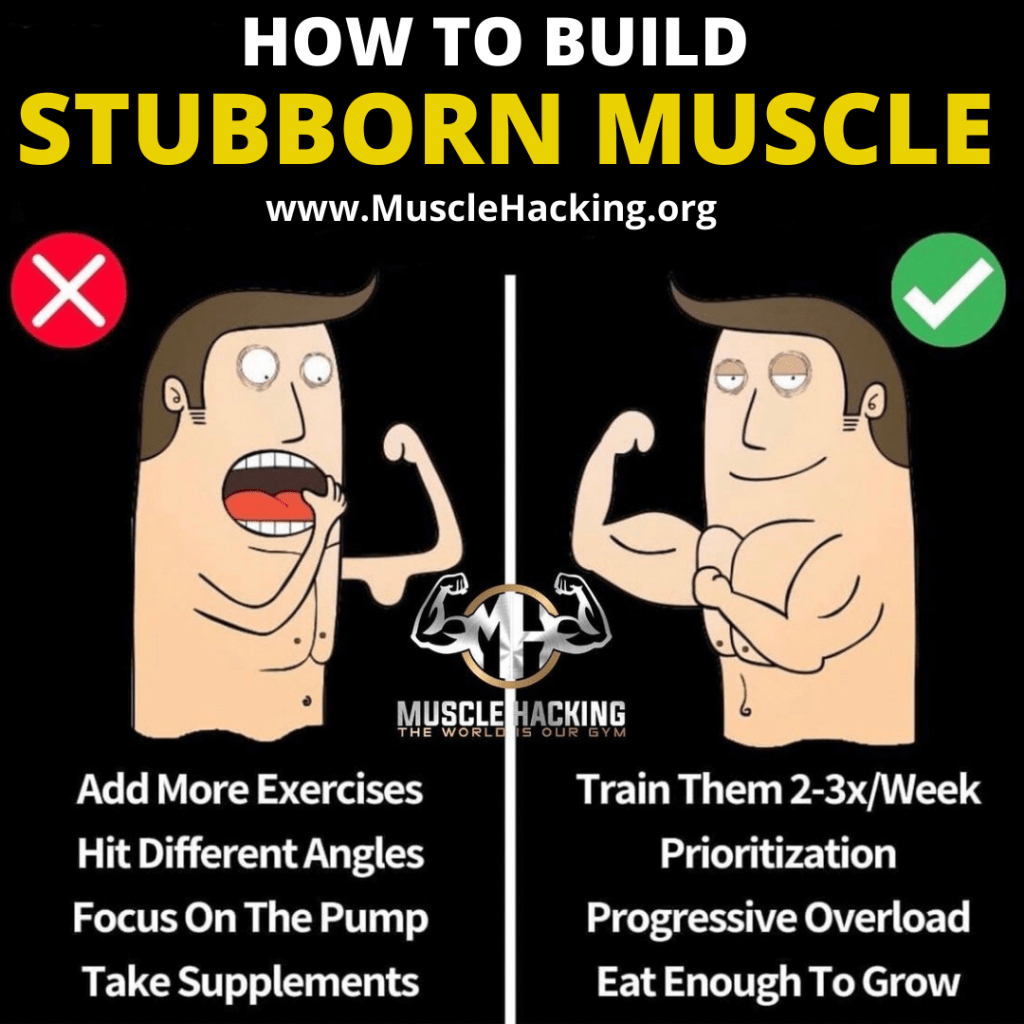
🔹 If you’ve been hitting the gym forless than a year, you don’t have lagging muscle-groups, your entire body is lagging. With that said, if you’ve been training for a long period of time and are now starting to notice that a certain muscle is just lagging behind, it may be a good time to implement some specialization techniques. Here are 4 things I’d recommend if your goal is to build a lagging muscle.
_
Tip Number 1: Increase Training Frequency
_
🔹 If you’re currently training a muscle-group 1x per week, I’d highly recommend increasing that to 2x per week. Not only is this a great way to maximize training-induced protein synthesis, but it’s an easy way to increase total volume.
_
Tip Number 2: Prioritize
_
🔹 If your goal is to build bigger biceps, then why are you leaving them for the end of your workout when you’re already taxed? Start prioritizing that muscle-group by putting it first!
_
Tip Number 3: Progressive Overload
_
🔹 Progressive overload is the main pathway by which we build muscle. And unless we’re gradually increasing the amount of work we do, no matter how hard we train, we’ll never grow. Get back to the basics – if you want to build your chest, you’ve got to bench press more weight. Want to grow your legs? Squat heavier!
_
Tip Number 4: Eat Enough to Grow
_
🔹 No matter how intense your training is… if you’re not providing your body the necessary nutrients for growth, you’ll never build muscle. It’s like trying to build a house without enough bricks – it doesn’t matter how many workers are present if they don’t have the necessary tools for the job.

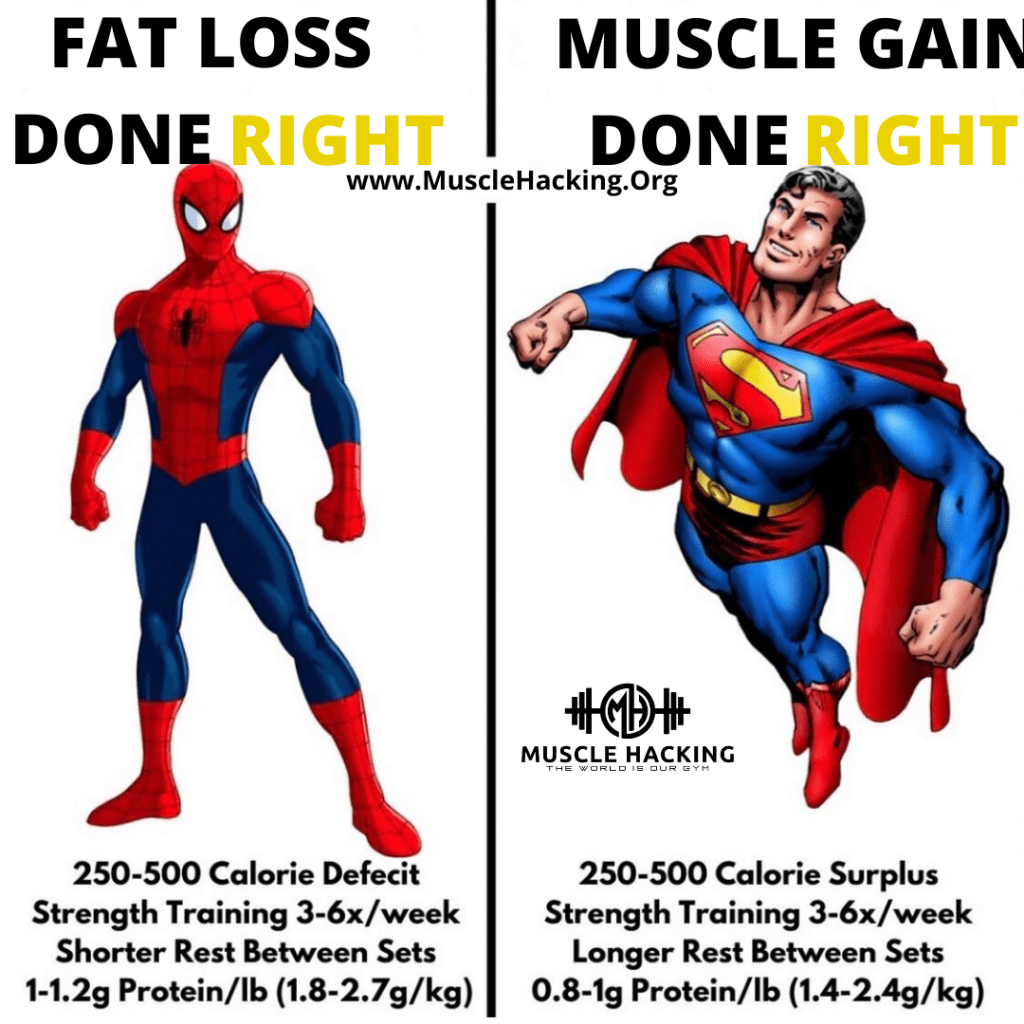
The Difference Between Fat Loss & Muscle Gain

There are dozens of ways to make gains and burn fat… but here are some key factors that you must implement on your road to success…

🔹 You can, eat 2000 extra calories over your maintenance level and gain tons of muscle mass, but most people will pick up a lot of fat in the process.

This would be counterproductive to the max!!!

The best route is to stay in a calorie surplus to make the process easier and you’ll keep your lean body while making gains at the same time

You want to do this with fat loss as well. Take small short steps towards your goal and don’t starve yourself.

For both processes, patience is Key.

Many protein recommendations for fat loss can come across as a bit high, however studies have shown that eating more protein rich food can increase your satiety and help defeat hunger while in a calorie deficit. Everyone is different and 2.7g protein per kg is not for everyone of course, but that is the UPPER limit from in a study for male endurance athletes. For female athletes, the protein range was between 1.4–1.7 g/kg bodyweight.

Resource:
https://www.ncbi.nlm.nih.gov/pubmed/30779631

How To Gain Muscle

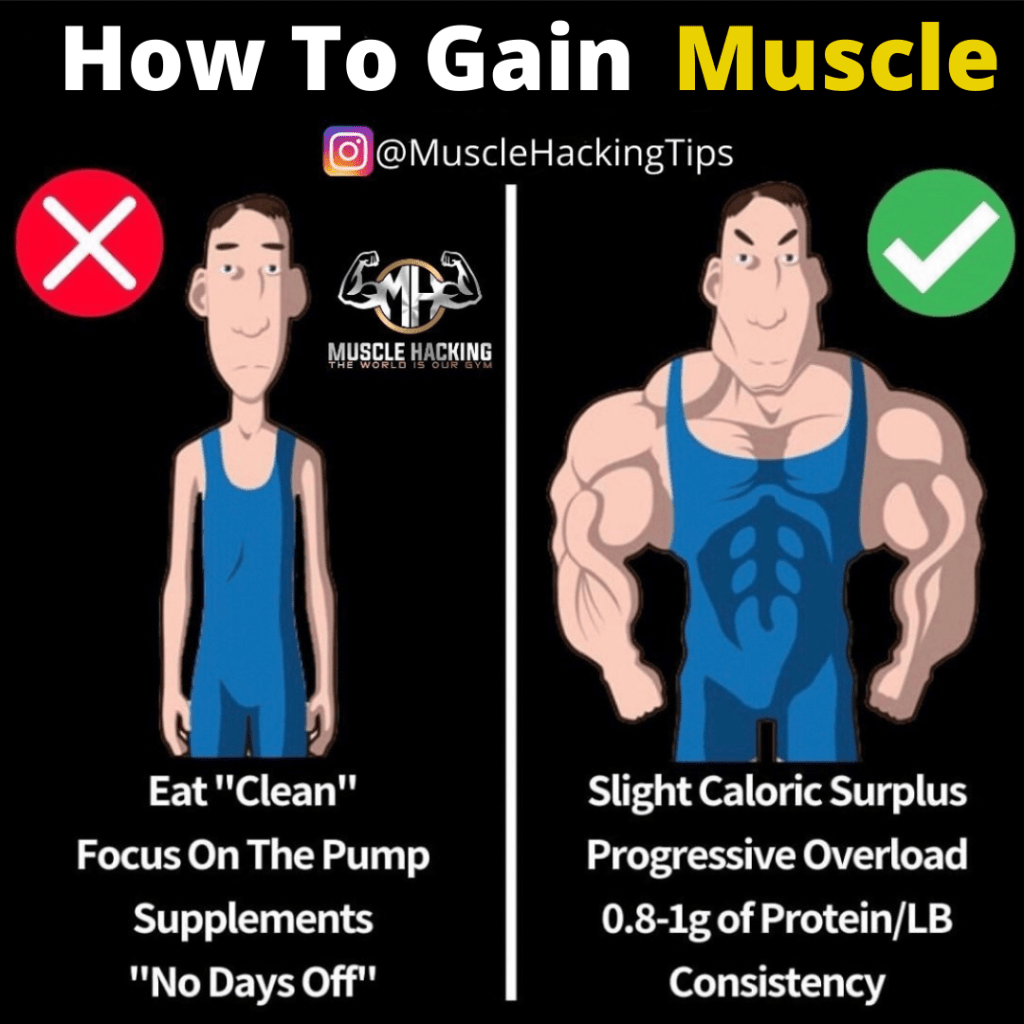
Want to know the secret to unlimited muscle growth? The secret is this: there is no secret. Eat enough, train for progression, and do it consistently. Perhaps that’s a bit of an oversimplification, don’t you think? The truth is, though, the mechanisms by which we build muscle are quite simple. There are three main factors that dictate muscle growth, and if you act in accordance to the three principles, you’re guaranteed to grow, despite “good” or “bad” genetics. ⠀⠀⠀⠀⠀⠀⠀⠀⠀
_ ⠀⠀⠀⠀⠀⠀⠀⠀⠀

  1. First, we must be in a net positive energy balance to ensure we’re providing our body the necessary nutrients for growth. This simply means that we should be consuming more calories than we’re burning (with the caveat that we’re getting enough protein – 0.8-1g/ pound will suffice).⠀⠀⠀⠀⠀⠀⠀⠀⠀
    _⠀⠀⠀⠀⠀⠀⠀⠀⠀
  2. Progressive tension overload: When we introduce a stress to our muscle, our body is forced to adapt by building new muscle in the hopes that it will handle the same stress again in the future. If we fail to increase that stress, however, our body will find no need to repair and grow. It’s really that cut and dry. ⠀⠀⠀⠀⠀⠀⠀⠀⠀
    _ ⠀⠀⠀⠀⠀⠀⠀⠀⠀
  3. Consistency: If you’re “eating enough” five days out of seven, you’re not eating enough. That one or two days of skipping meals, missing calories, or eating intuitively, could determine whether you make any progress that week. Similarly, missing training days will reduce the amount of work you’ll have done in a given timeframe.⠀⠀⠀⠀⠀⠀⠀⠀⠀

Recovery

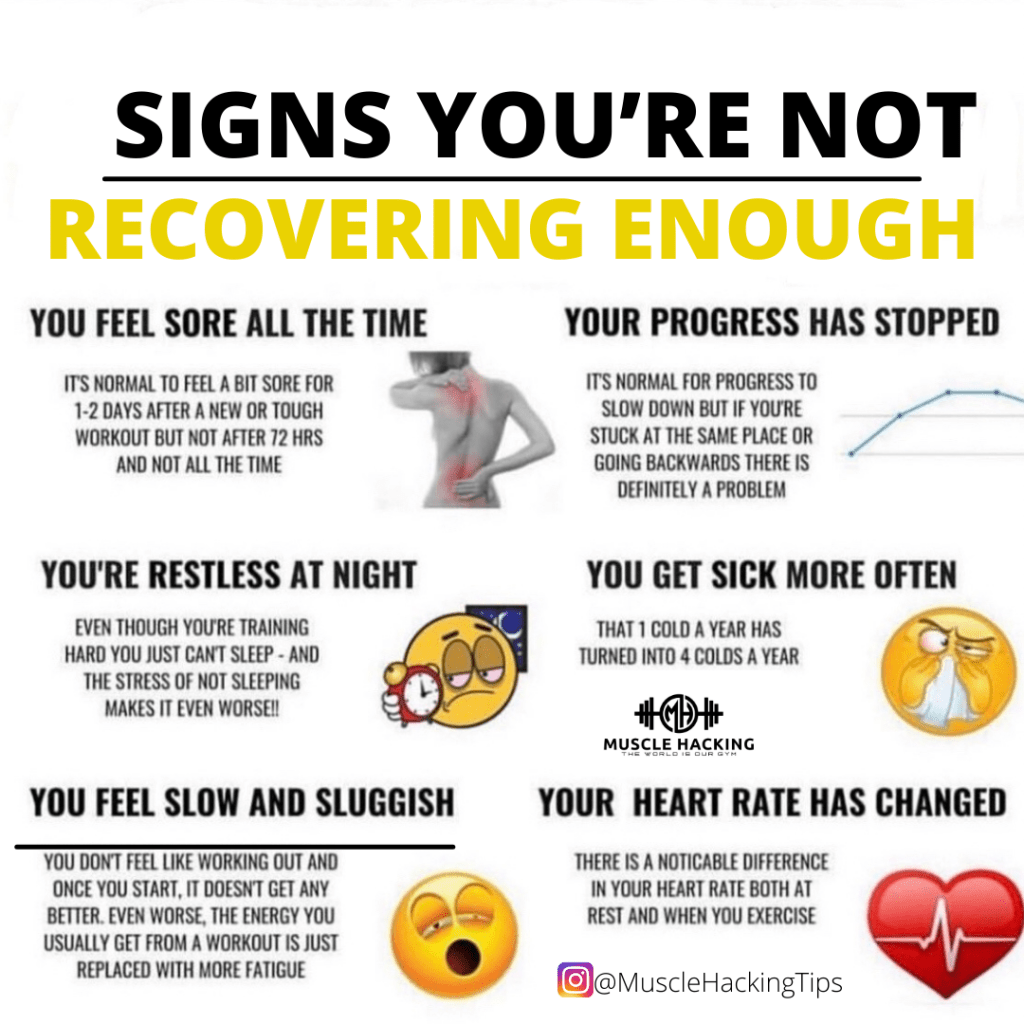
🔹 What is “enough” – no, this is not an existential question that people have been trying to figure out for centuries. It is, however related to a person’s capacity to recover and the amount of training they actually do.
.
🔹 A professional athlete trains like a professional athlete. Lots of training, lots of sleep, lots of good food and lots of therapeutic activities. An average person who starts training like a pro but falls short on the recovery part, is doomed to fail
.
🔹 Over training is a term that gets thrown around a lot. What it is, is simply too much training and not enough recovery
.
🔹 Other problems can arise from a lack of recovery like hormonal issues and injuries etc. Your body needs time to adapt and get stronger.
.
🔹 If you are experiencing any of the symptoms above, take a look at your training volume compared to the amount of time you sleep and how much you eat. You don’t want to be putting in all of that work for nothing!

Understanding The Glutes

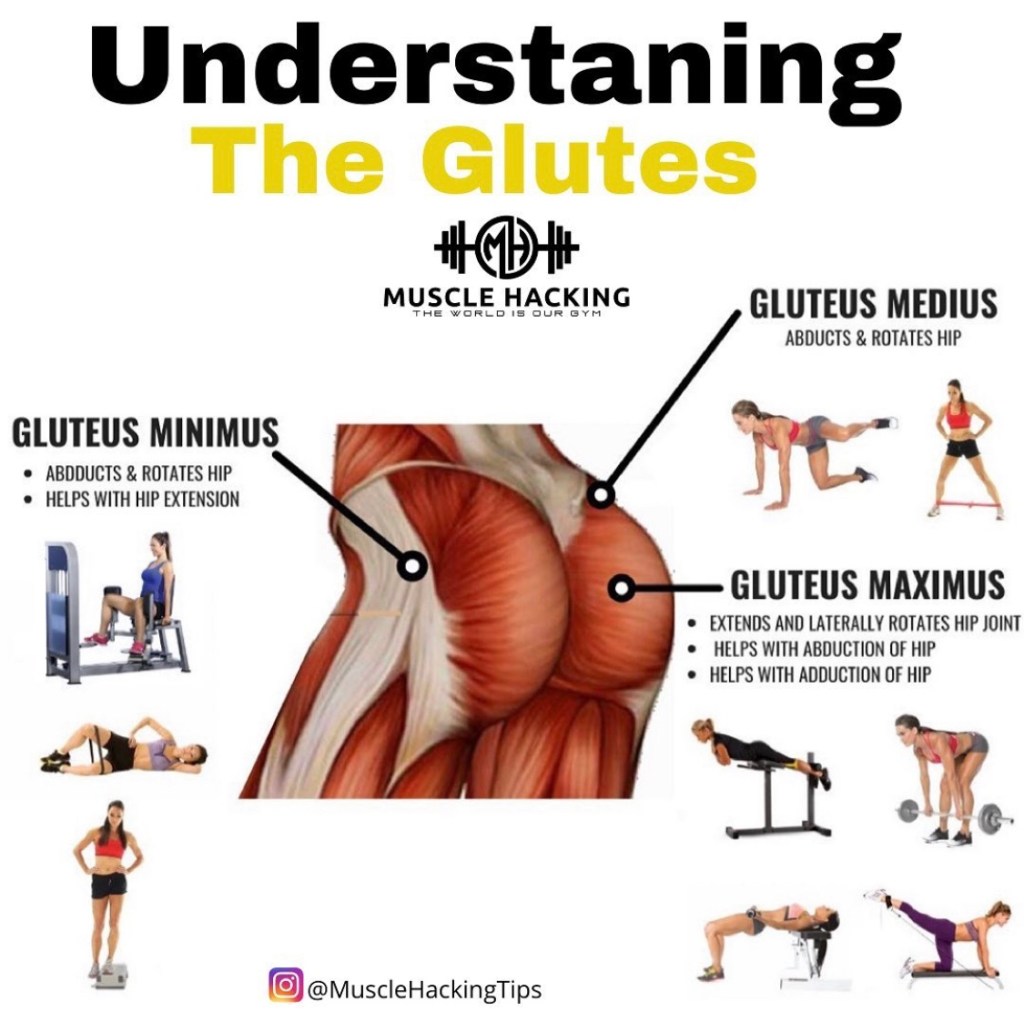
🔹 This might sound strange, but see your glute muscles as a team. The gluteus Maximus is the team captain.

🔹 They hold the foundation while offering stability to your hip when you walk, run and stand and move your hip back, side to side and in and out. They should be the strongest team of muscles in your body

🔹 The Maximus is one of the muscles that everyone wants to develop. That can be done through hip extension (hip thrusts, deadlifts etc)

🔹 Your Medius and Minimus are also important for hip health. They can both be worked with various abduction, external, and internal rotation movements.

🔹 If you want to get solid glutes, focus on the big extension movements to start and add on the supplemental ones to finish off