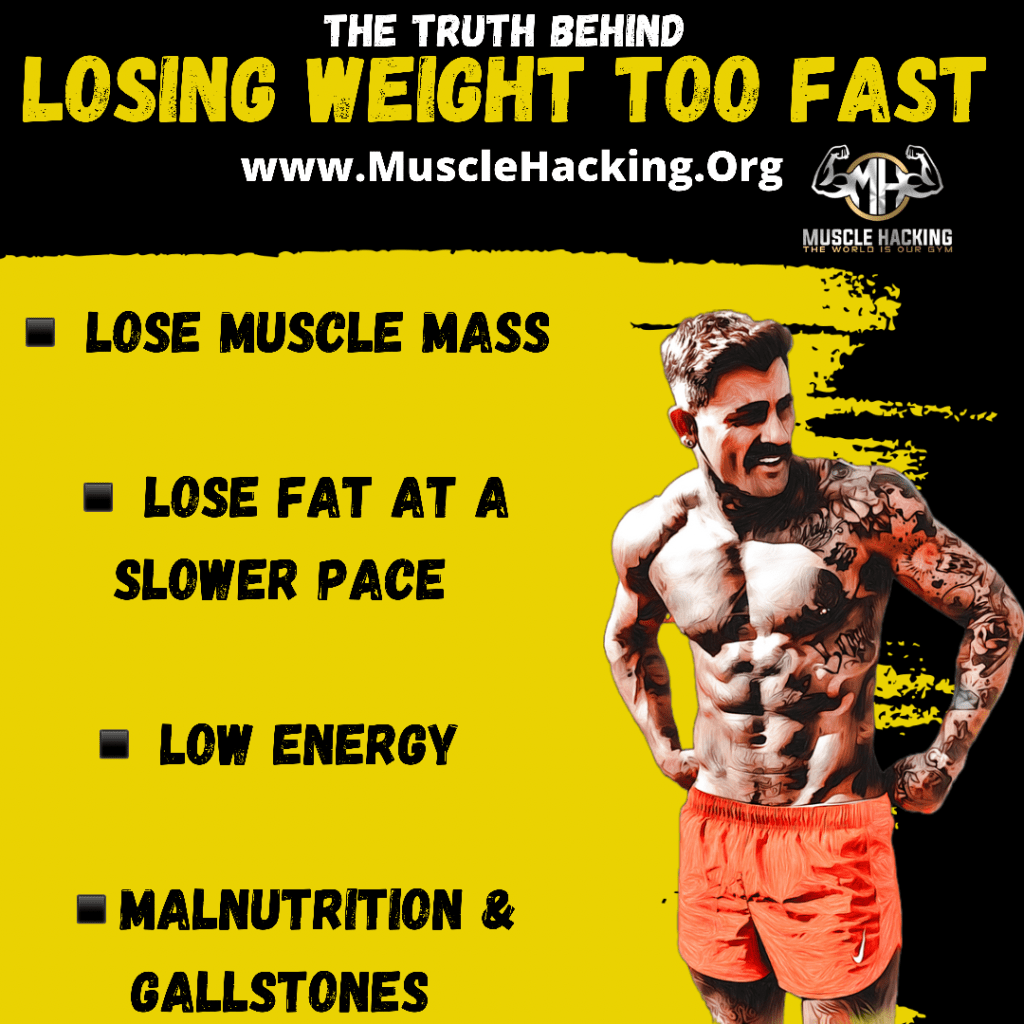
Losing Weight Too Fast

♠️The Truth Behind Rapid Fat Loss♠️

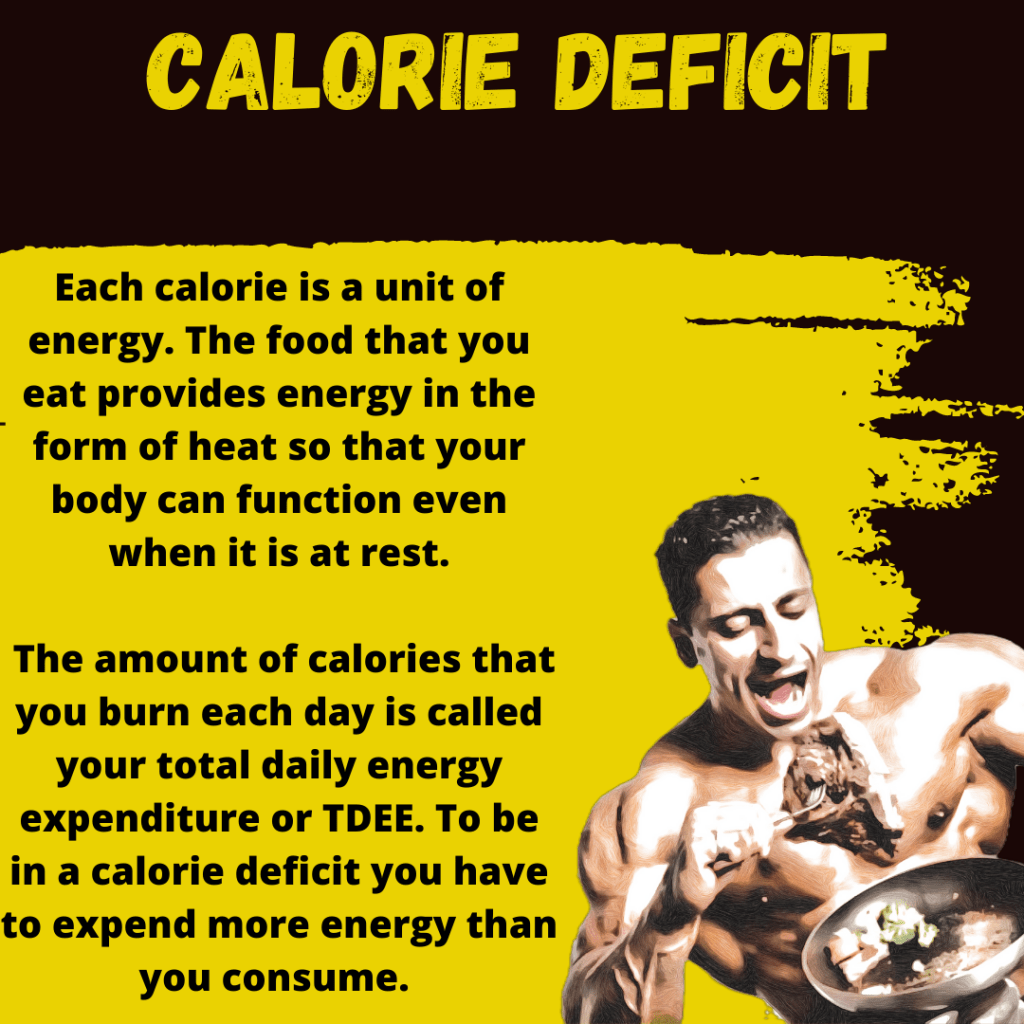
▪️Energy balance is the prime element to lose weight; it’s essential that your expenditure exceeds energy intake.

▪️Although aggressively dieting can increase fat loss, it will also reduce muscle mass. This sparks the question if losing weight as fast as humanly possible is the most optimal strategy.

▪️A case study inspected the effect of two different rates of weight loss on body composition. One group lost weight rather quickly (1% of bodyweight per week), while the other group lost weight at a  more slower pace (0.7% bodyweight per week).

▪️After 5.3 weeks, the aggressive dieting group lost 4.2 kg or 9.2lbs of bodyweight. On the other hand, the slower dieting group took 8.5 weeks to lose this amount.

▪️Even though both groups lost an equal amount of weight, the body composition of the lost weight was different. The aggressively dieting group lost more muscle mass  and less fat in comparison to the slower dieting group. 

▪️Therefore, this study concludes that more aggressive weight loss goes at the expense of losing muscle gains.

▪️So technically aggressive dieting is effective for rapid weight loss, but suboptimal if you want to keep the muscles that you worked hard for.

▪️Resources: https://pubmed.ncbi.nlm.nih.gov/21558571/
Post Workout Carbs

♠️Carbs After Workouts♠️

🔹 It’s often said that carbs are important for post-workout recovery. At times people even claim that carbs are more important than protein. Is this actually the case?

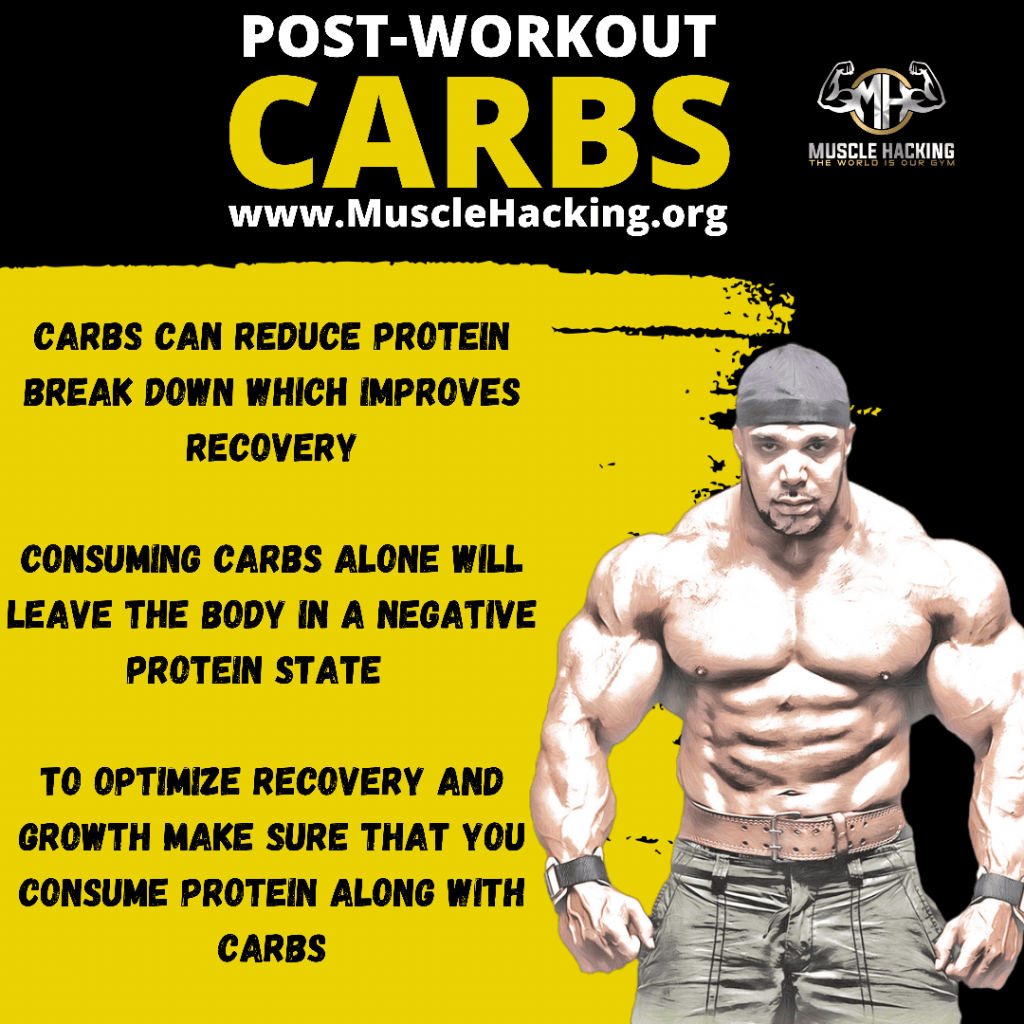
🔹 When we perform any type of strength training, we inevitably break down some muscle tissue. If we train in a fasted state, it’s very likely that by the end of the workout we will be in a negative protein balance. This is because we’re breaking down more muscle than we’re building. If I made the assumption that carbs were more important than protein and only consumed carbs after my workout, I would be in a negative protein balance. If I’m in a negative protein balance, my muscles wouldn’t grow.

🔹So how can we fix this situation? If your goal is to grow muscle, make sure that you are getting enough protein after your workouts;especially if you are training while fasted. The goal should be to spend as much time as possible in a positive protein balance and getting protein ASAP after working out is a great way to ensure this happens.

🔹 Message me the word “FREEDOM” for consultation to improve your nutrition regimen to MuscleHackingInc@gmail.com

Resources: https://www.ncbi.nlm.nih.gov/pmc/articles/PMC5794245/

3D Shoulders

♠️How To Build 3D Shoulders(And What To Avoid)♠️

⠀⁠

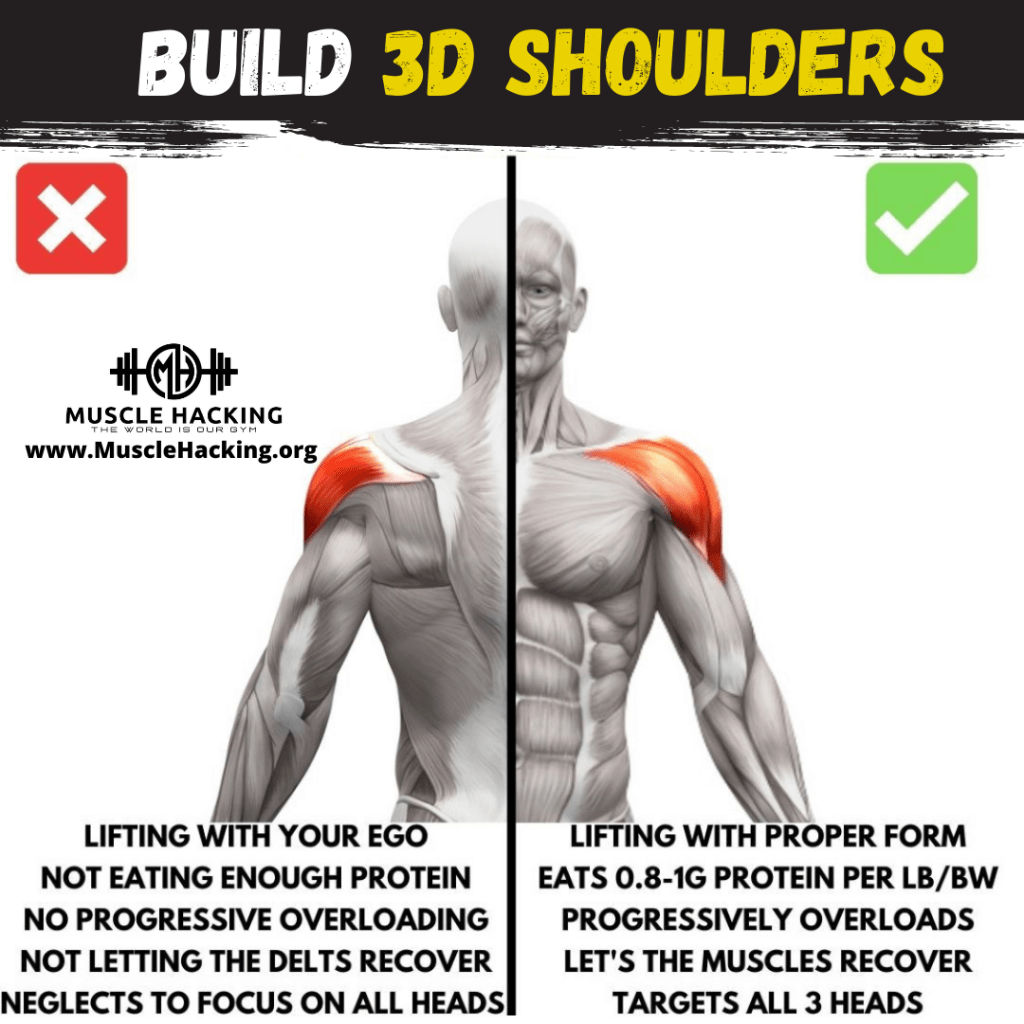
🔹 There are a few common errors that occur when trying to build aesthetic shoulders.⠀⁠

⠀⁠

1️⃣ Increasing the weight but neglecting to perform the exercises with proper forms, this can lead to injury which will stall your progress. The main objective should be to focus on perfecting form before increasing weight.⠀⁠

⠀⁠

2️⃣ For the shoulders to grow, you need to eat between 0.8 to 1g protein per pound of bodyweight.⠀⁠

⠀⁠

3️⃣ While performing all sets with the amount of reps that you set out to accomplish with correct form, you can progressively overload. A lot of the time progressive overload is used by increasing the weights, but you can also add more sets, reps or less rest between sets, etc.⠀⁠

⠀⁠

4️⃣ Your muscles need time to recover in order for them to grow properly. As your deltoids can be activated in several other exercises when you target other muscle groups, such as bench press, incline bench press, or rows. Make sure that your shoulders get enough time to recover before training them again.⠀⁠

⠀⁠

5️⃣ Often, the Anterior Deltoid is mostly targeted and if we aren’t careful, we can forget to train the lateral and posterior deltoids. This can lead to muscle imbalances and rotator cuff injuries, bad posture, and poor lifting techniques. We must avoid this as much as possible so don’t forget to implement exercises that targets all three heads.⠀⁠

⠀⁠

Do you want bigger or stronger shoulders?

How To Show Your Veins

How To Show Your Veins

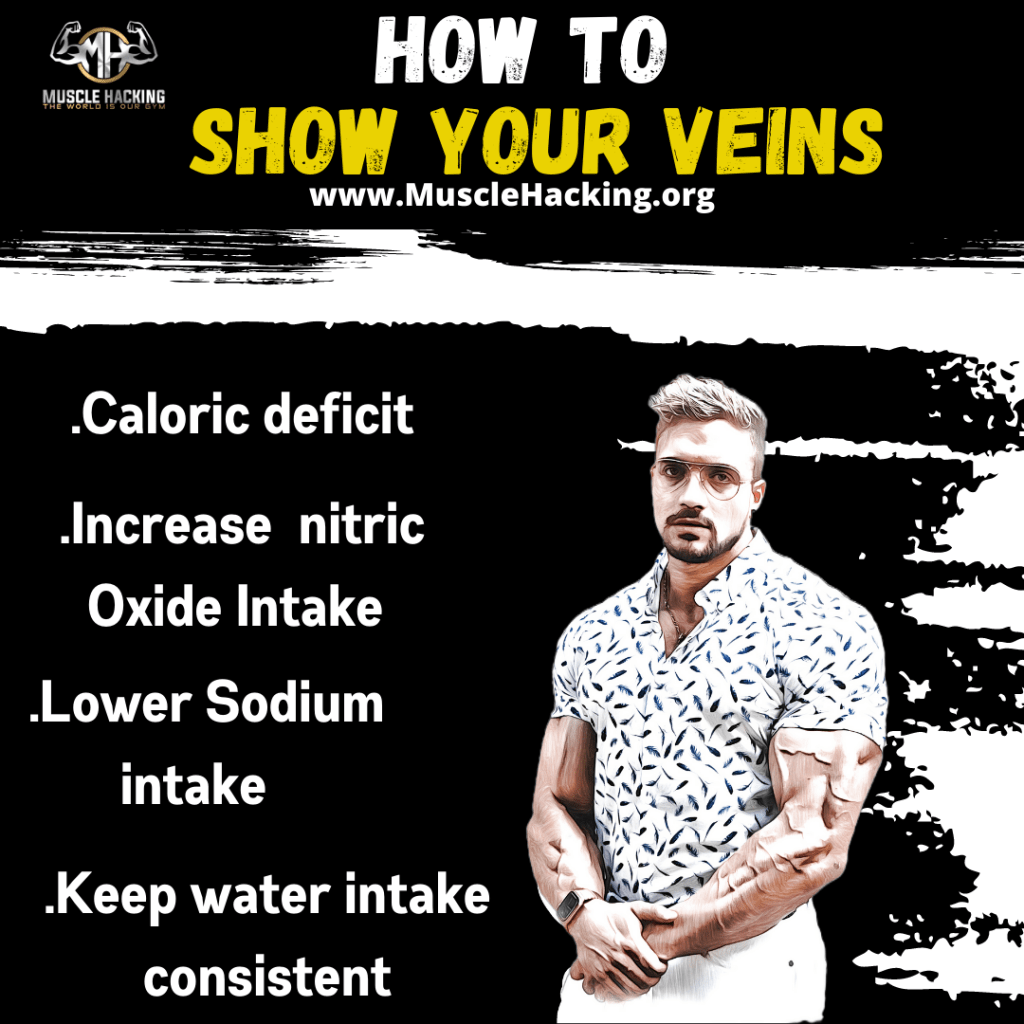
  • Caloric Deficit

🔹Science proves that if you want to burn fat, diet manipulations are more effective than doing extra cardio.

🔹Push towards getting under 15 percent body fat for some of you. To be sure though, aim for under 12 percent body fat.

🔹 You can never go wrong with leafy greens when it comes to gaining vascularity.

🔹 Most importants keep your calories at least 200 under your BMR

  • Increase Nitic Oxide Intake

🔹 Nitric oxide is the compound that is responsible for your veins to dilate; AKA get bigger. There are alot of foods out there that help increase the amount of nitric oxide in the blood to make your veins show.

🔹 Foods that that will convert into nitrates in the body will most definitely do the trick to up your level of nitric oxide. Eat foods such as:

.Beetroot
.Lettuce
.Celery
.Broccoli
.Arugula
.Spinach

  • Keep sodium intake low

🔹 Salt will hold onto water which is what you don’t want. In other words, the more salt that you have in your diet, the more water your body will retain, which means the less your biceps vein will show.

  • Keep water intake consistent

🔹 If you’re chronically dehydrated and not getting the amount of water your body needs, your body will start to crave water and will retain as much as possible whenever it has the chance.

🔹 Avoid dehydration so that your body will hoard less water and be willing to excrete any extra water.

Intermittent Fasting

♠️Intermittent Fasting♠️

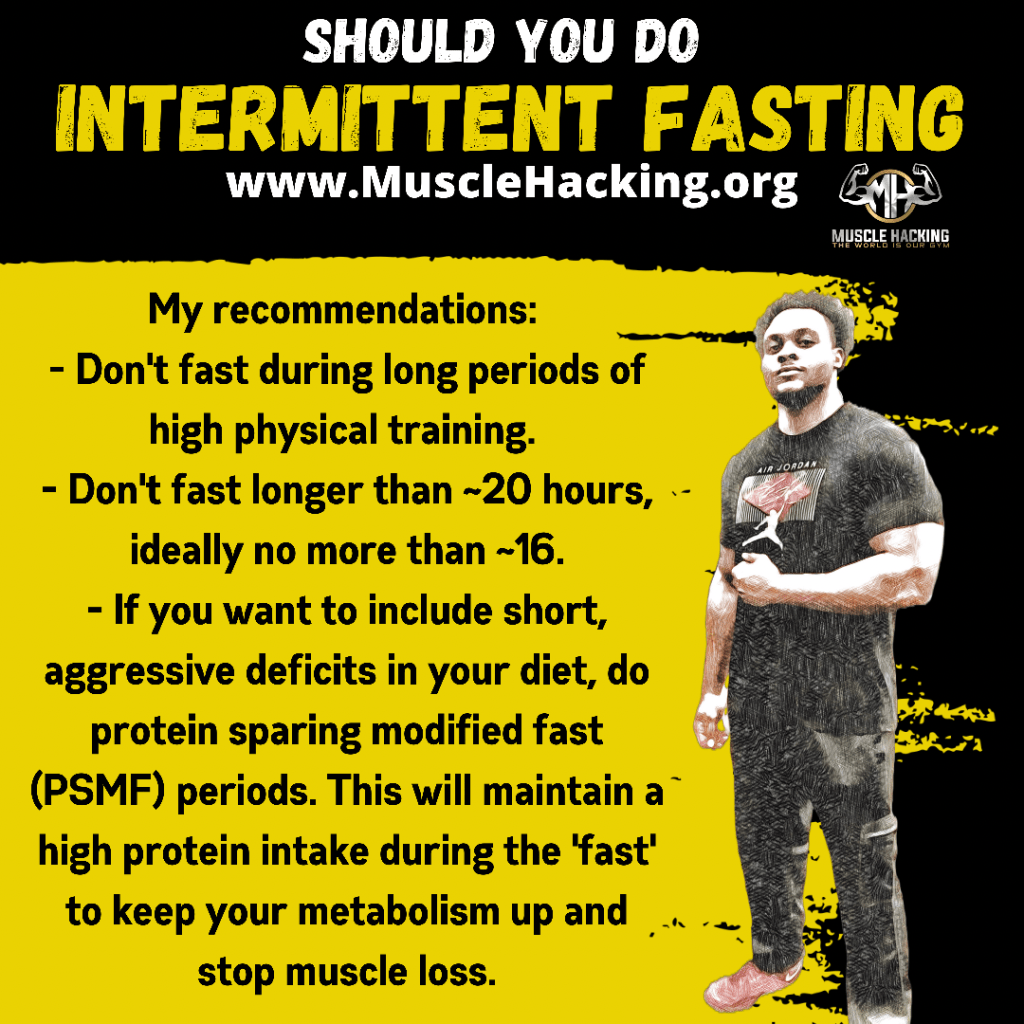
🔹 There is a new study by Templeman et al. that was recently published and it doesn’t look too good for those who likes to fast…

🔹 The analyst compared weight loss diets with 25% daily energy restriction vs. fasting diets  with 0% energy intake during the 24-hour fasts and 150% energy intake in between. The study was practiced on healthy adults.⁣

🔹 Both groups had the same weekly energy intake and macros but either with long fasting or without.⁣

🔹 As a result, the fasting group lost less body fat. This is because they experienced a significant reduction in energy expenditure from physical activity, especially later on into their  fasting. ⁣

🔹 Many other studies have directed towards the reductions in physical activity levels during fasting, which is the reason why I don’t recommend intermittent fasting during periods of high physical activity, and not fasting too long in general.⁣

🔹 The fasting group also lost a substantial amount of lean body mass, although this was not significantly different from the other group.⁣

🔹 Furthermore, the fasting did not conclude to a significant cardiometabolic health improvements, including insulin sensitivity and blood blood sugar levels after eating.⁣

🔹 And here’s the kicker: the fasting group  did not result in any beneficial changes in gene expression of inflammation and autophagy. ⁣

🔹 My recommendations: ⁣

– Don’t fast during long periods of high physical training. ⁣

– Don’t fast longer than ~20 hours, ideally no more than ~16.⁣

– If you want to include short, aggressive deficits in your diet, do protein sparing modified fast (PSMF) periods. This will  maintain a high protein intake during the ‘fast’ to keep your metabolism up and stop muscle loss.

Resources: https://pubmed.ncbi.nlm.nih.gov/29394908/

Does The Keto Diet Increase Fat Loss?

Does The Keto Diet Increase Fat Loss?

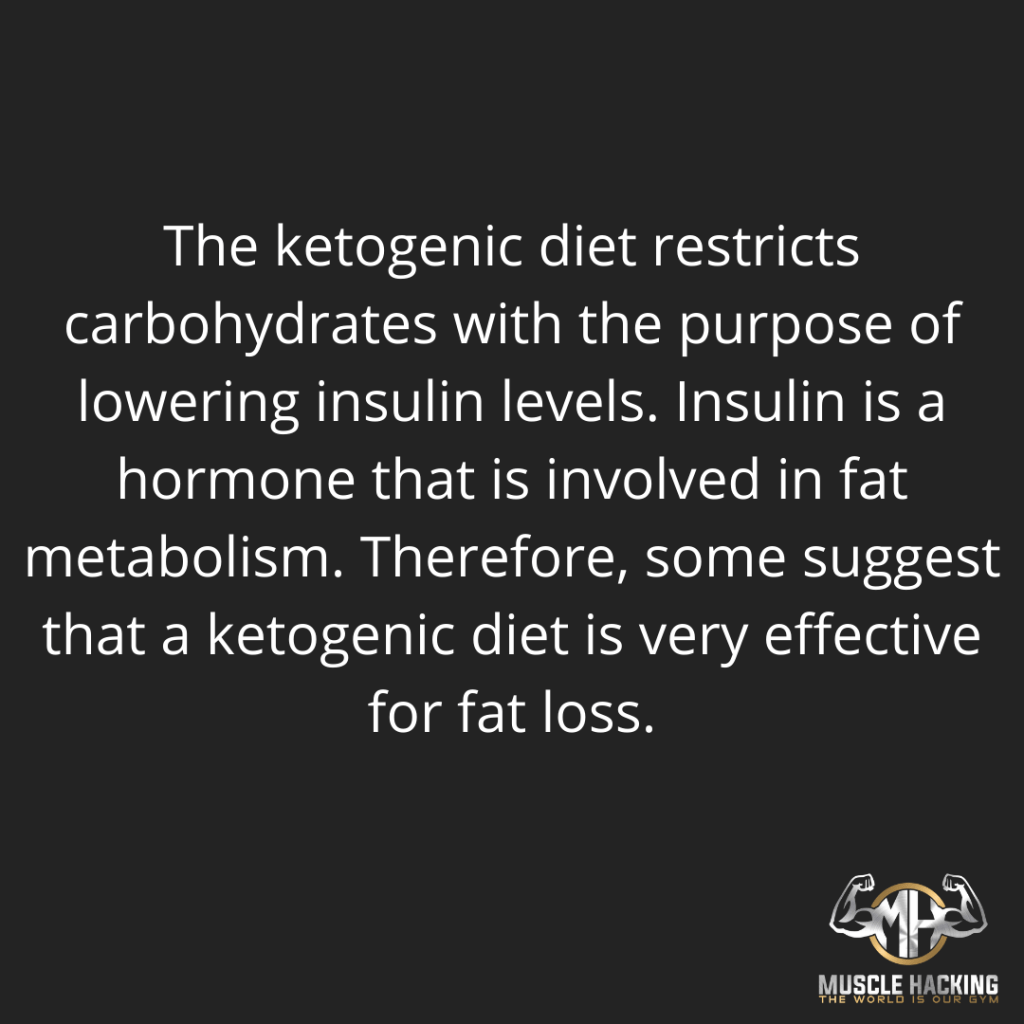
🔹 The keto diet has become the latest big thing in weight-loss plans, touted recently by celebs like Jenna Jameson, Mama June, and Halle Berry.

🔹 The diet involves cutting way back on carbohydrates, to 50 grams a day or less, to help the body achieve a state of ketosis, in which it has to burn fat (rather than sugar) for energy.

🔹 For decades doctors have prescribed the keto diet for treating epilepsy; however it’s unclear exactly why, but something about a ketogenic state seems to reduce the frequency of seizures.

🔹 But using keto for a general weight-loss plan,
is more controversial. Some health experts warn against it entirely, citing unpleasant side effects, health risks, and the diet’s unsustainable nature.

🔹 The keto diet could cause low blood pressure, kidney stones, constipation, nutrient deficiencies and an increased risk of heart disease. Strict diets like keto could also cause social isolation or disordered eating. Keto is not safe for those with any conditions involving their pancreas, liver, thyroid or gallbladder.J

https://pubmed.ncbi.nlm.nih.gov/27385608/

Quality of Food

♠️Quality of Food♠️

🔹 A frequent debate in the fitness industry that I constantly run across centers on whether or not the quality of your food matters. Some people embrace the calories in – calories out (CICO) method a little too strongly and often claim that you can eat whatever you want as long as it fits within your macros.

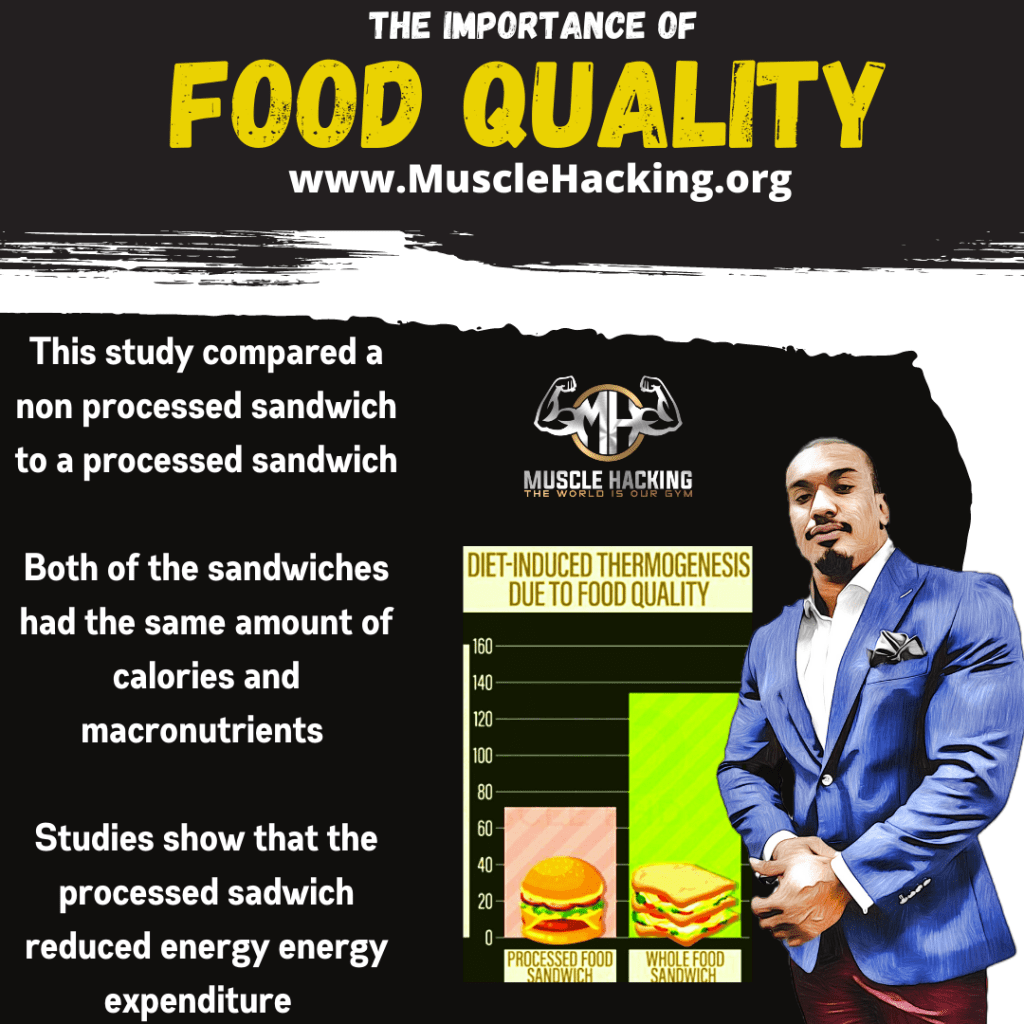
🔹 Unfortunately, this suggestion is just a bit one dimensional. Studies convey that processed foods (snack items, restaurant foods, etc.) actually decrease the thermogenic response. This would throw off the calories in calories out equation because you would not be able to account for the change in your diet-induced energy expenditure.

🔹  For the most part, I prefer the 80/20 approach to eating which is when you stay on your diet 80% of the time. Being too strict usually gives people a negative relationship with food, so I like to allow a little bit of cheating in a diet. However, I do suggest that most of your food comes from natural sources. Essentially, you should plan on cooking most of your food to ensure your calories in calories out equations are a little more accurate.

Resources: https://www.ncbi.nlm.nih.gov/pmc/articles/PMC2897733/

How To Take A Diet Break

♠️Diet Breaks♠️

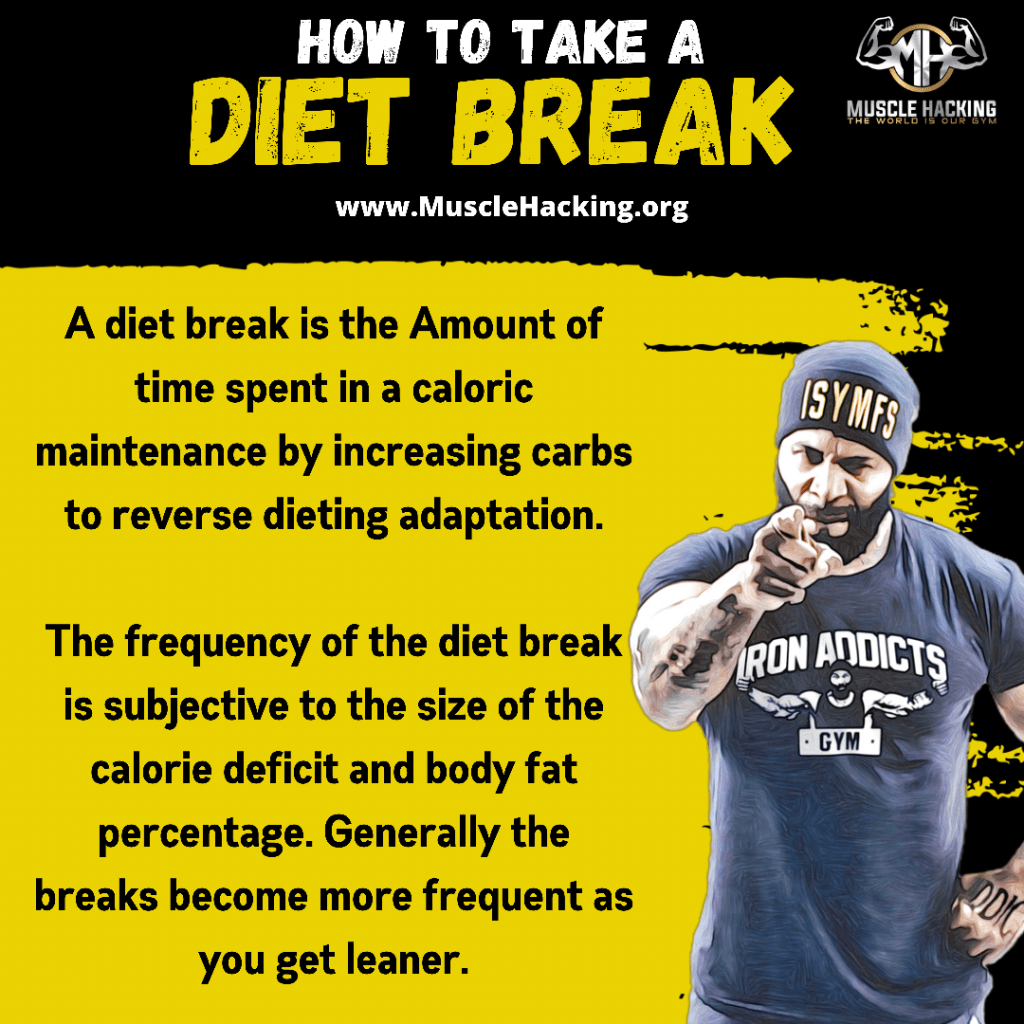
🔹The concept of taking ‘Diet Breaks’ was first initiated  and publicized by Lyle McDonald in his innovative book called  “A Guide to Flexible Dieting”, and in the last few years more research has been accumulated on that matter. ⁣

🔹Have you ever started a diet break with the purpose of dieting “better” later ? Sounds counter intuitive, but it’s exactly how diet breaks work. ⁣

🔹And for the record, I’m not talking about cheat days or days where you simply stop dieting because you “don’t feel like it”. I’m talking about diet breaks, which actually serve a purpose to your progress and your fitness journey.⁣

🔹Diet Breaks are essentially short periods of time, between 10 to 14 days, spent at an estimated maintenance, where calories are elevated by increasing carb intake to reduce hunger. This can potentially speed up your metabolism, increase energy expenditure, and regain some lost strength e while simultaneously  losing some water weight. 

🔹Studies show  that periods of caloric restriction followed by small “breaks” at caloric maintenance, will result not only in better fat loss, and an increase in muscle mass, but weight is actually easier to keep off in the long term. ⁣

🔹And this happens for two reasons: both physiological and psychological ones. ⁣

🔹I’m not saying that dieting all at once doesn’t work, because obviously it does (a caloric deficit will always work). Also if you’re dieting for a close competition, you won’t have enough time to implement diet breaks in your prep. 

🔹However, if you are not dieting for a competition and you would like to get lean, the implementation of diet breaks is certainly going to work better for long term maintenance. ⁣

Resources: https://journals.plos.org/plosone/article?id=10.1371/journal.pone.0247292

Why You Feel So Hungry

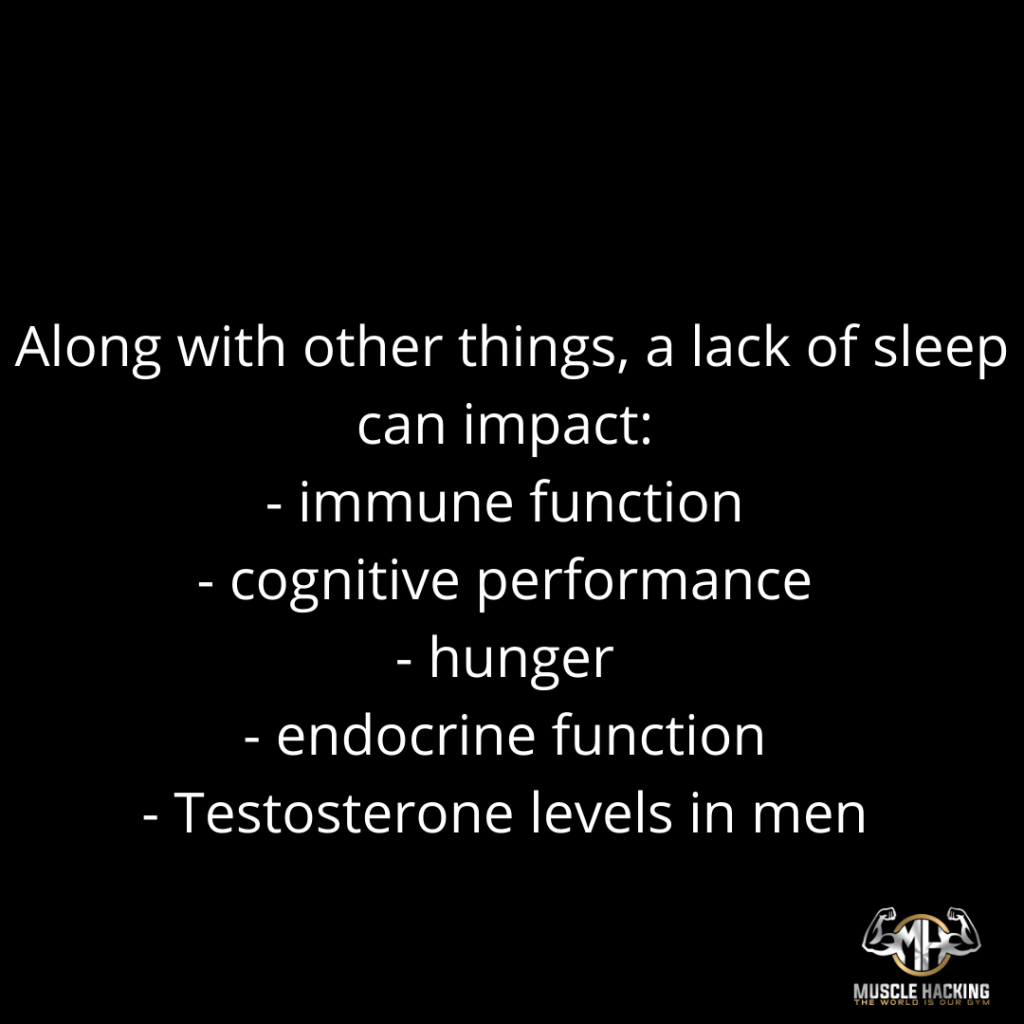
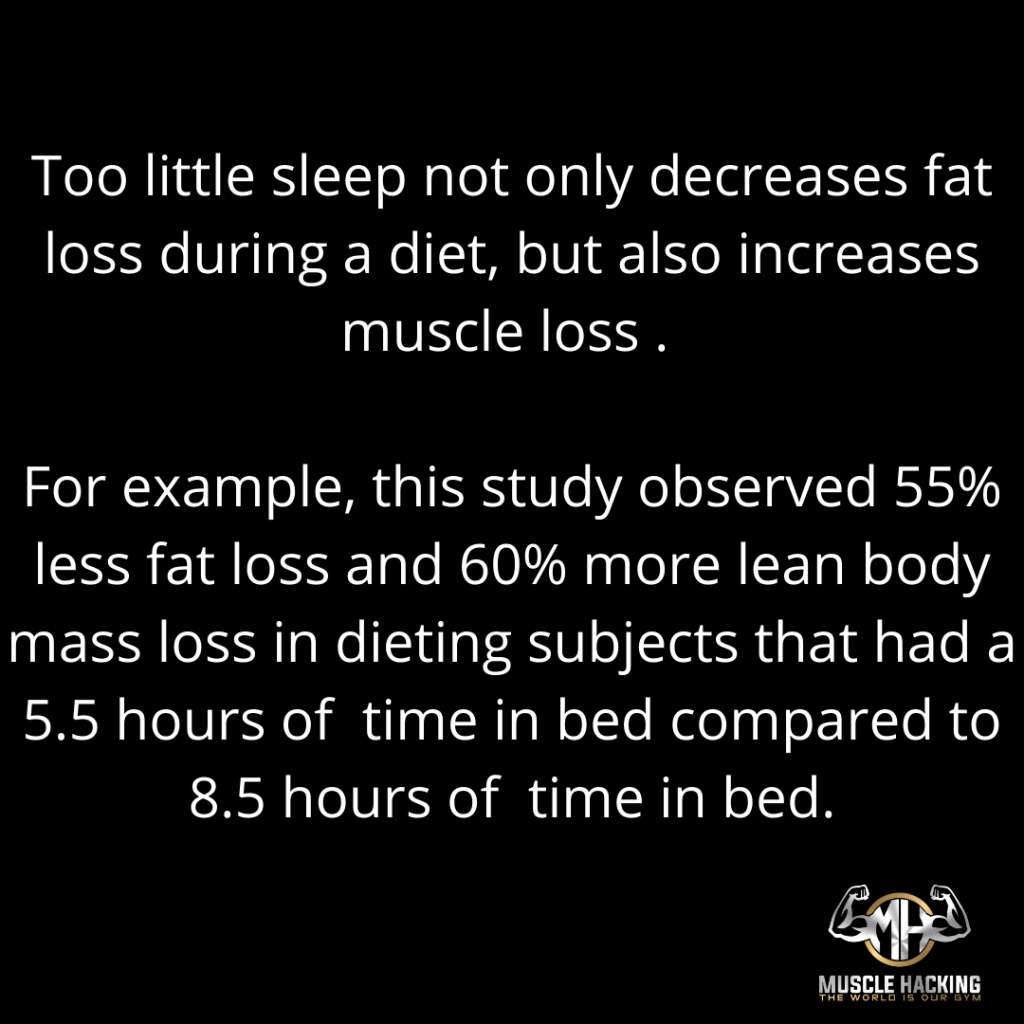
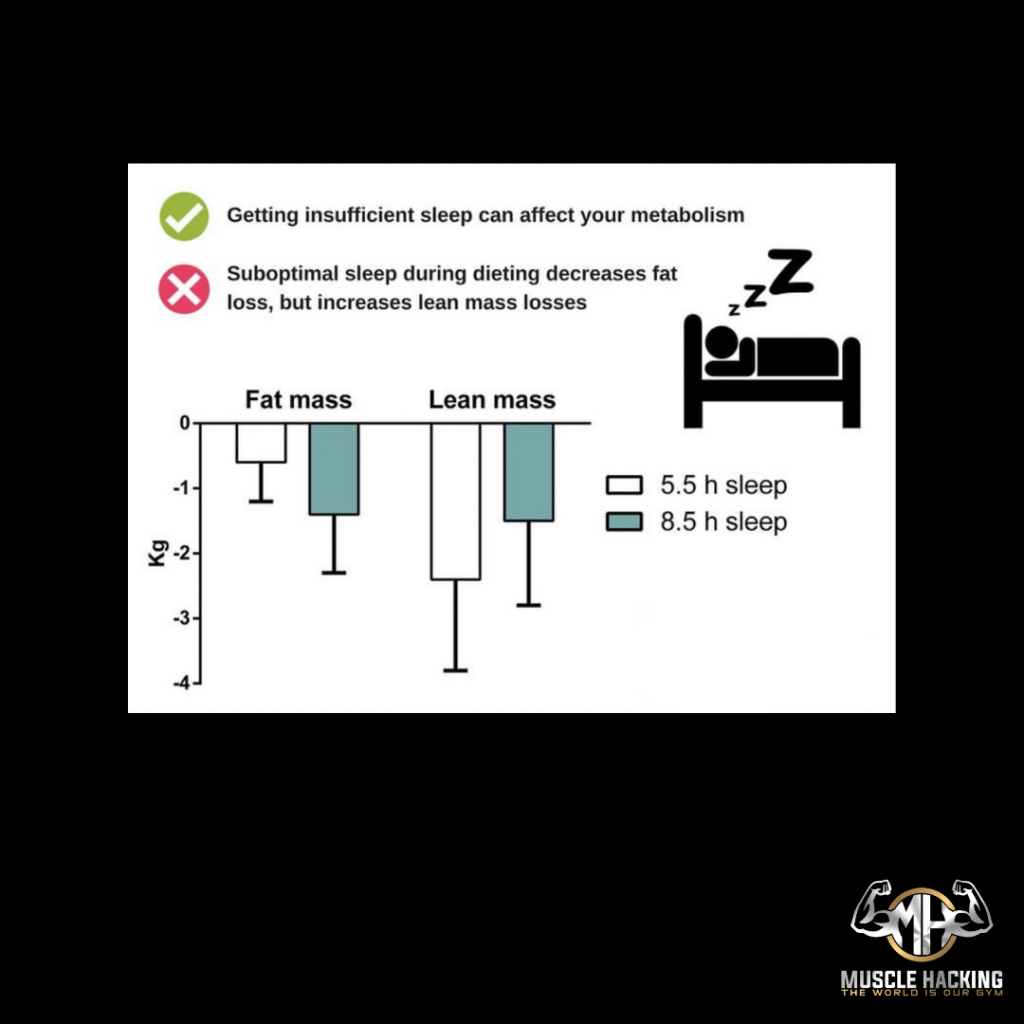
🔹Insufficient sleep indirectly leads to overeating and unhealthy food choices.

🔹 A lack of quality sleeps also linked to weight gain and a higher risk of obesity

🔹Sleep plays a vital role in regulating hormones like leptin and ghrelin, which are important for keeping hunger under control.

🔹 Ghrelin is closely related to hunger while leptin is tied to feeling full.

Resources:
https://www.ncbi.nlm.nih.gov/pubmed/20921542