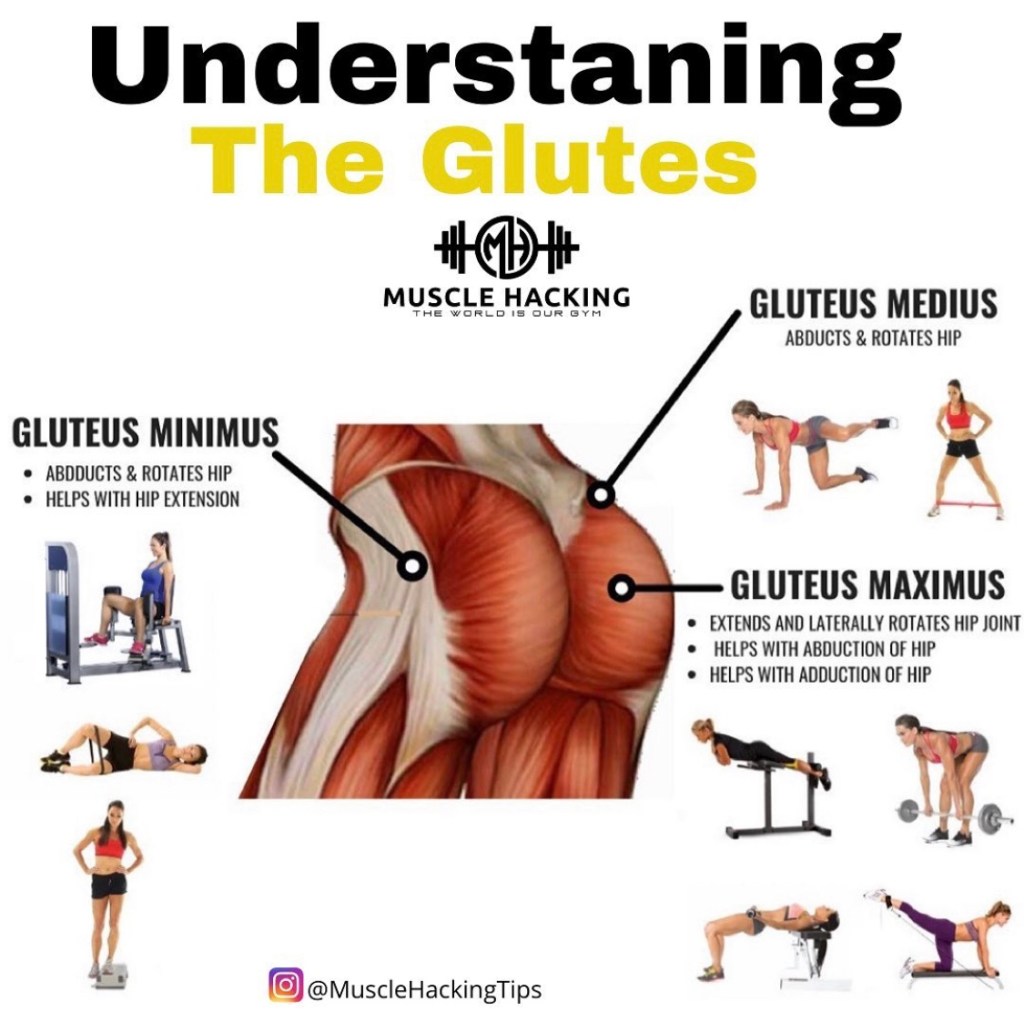
🔹 This might sound strange, but see your glute muscles as a team. The gluteus Maximus is the team captain.
🔹 They hold the foundation while offering stability to your hip when you walk, run and stand and move your hip back, side to side and in and out. They should be the strongest team of muscles in your body
🔹 The Maximus is one of the muscles that everyone wants to develop. That can be done through hip extension (hip thrusts, deadlifts etc)
🔹 Your Medius and Minimus are also important for hip health. They can both be worked with various abduction, external, and internal rotation movements.
🔹 If you want to get solid glutes, focus on the big extension movements to start and add on the supplemental ones to finish off
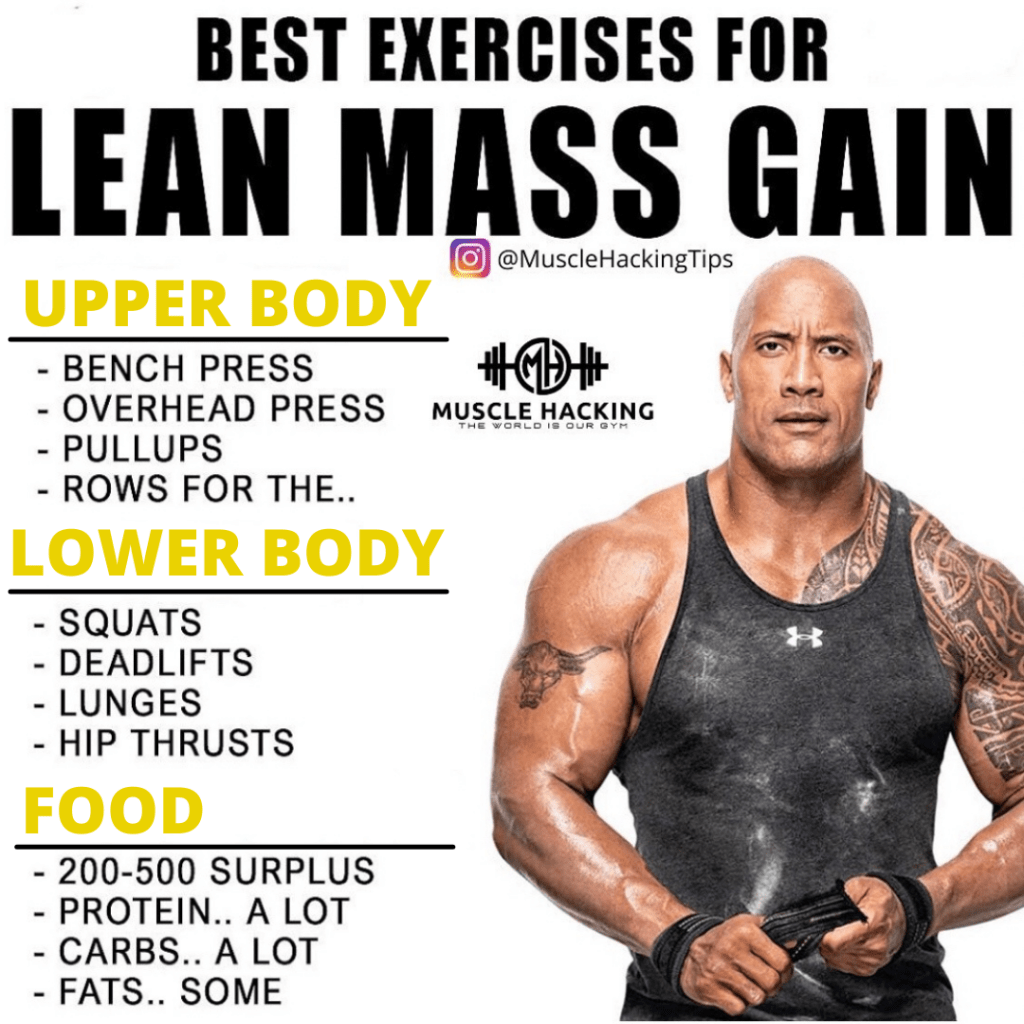
How many of these do you do? ➖ 🔹 When it comes to exercise selection, regardless of if in a fat loss phase & a bulking phase, compound lifts (although not essential) should still be prioritised when possible. For example, a common misconception is that when seeking to lose fat you have to switch your exercise selection to favour more “isolation” style movements within a higher rep range whereas that is simply NOT the case ➖ 🔹 Your sessions should still revolve mostly around compound lifts as they produce a greater metabolic & hormonal stimulus along with burning the most calories per unit time (Ballor et al 1987, Kraemer & Ratamess 2003). Therefore by performing compounds you can burn more calories per session which is highly beneficial for creating a calorie deficit (Hill et al 2011). Along with this you can stimulate a more anabolic response from training which can aid muscle preservation when in a negative energy balance (Donnelly et al 1993) ➖ 🔹 Don’t get me wrong, you can still perform “isolation” movements following your compound movements for the day in order to increase daily/weekly volume per muscle (Schoenfeld 2015) however, one thing that you may need to consider is how MANY perform. As compound lifts have shown to increase recovery demands over isolations (Korak et al 2015), you need to be slightly more careful with how MANY adjunct exercises you chose perform thereafter as, when in a deficit, overall recovery has shown to be reduced (Nattiv et al 2007, Koutedakis et al 1994) ➖ 🔹 Conclusion: When bulking, hit your compounds & ramp up daily/weekly volume close to MRV with added supplementary “isolations”. When cutting, do the same however, consider scaling back total volume (mainly via the amount of isolations performed) if you find that you’re not recovering between sessions, developing overuse injuries and/or get sick more often aka three major signs of overtraining syndrome (Lowery & Forsythe 2006)
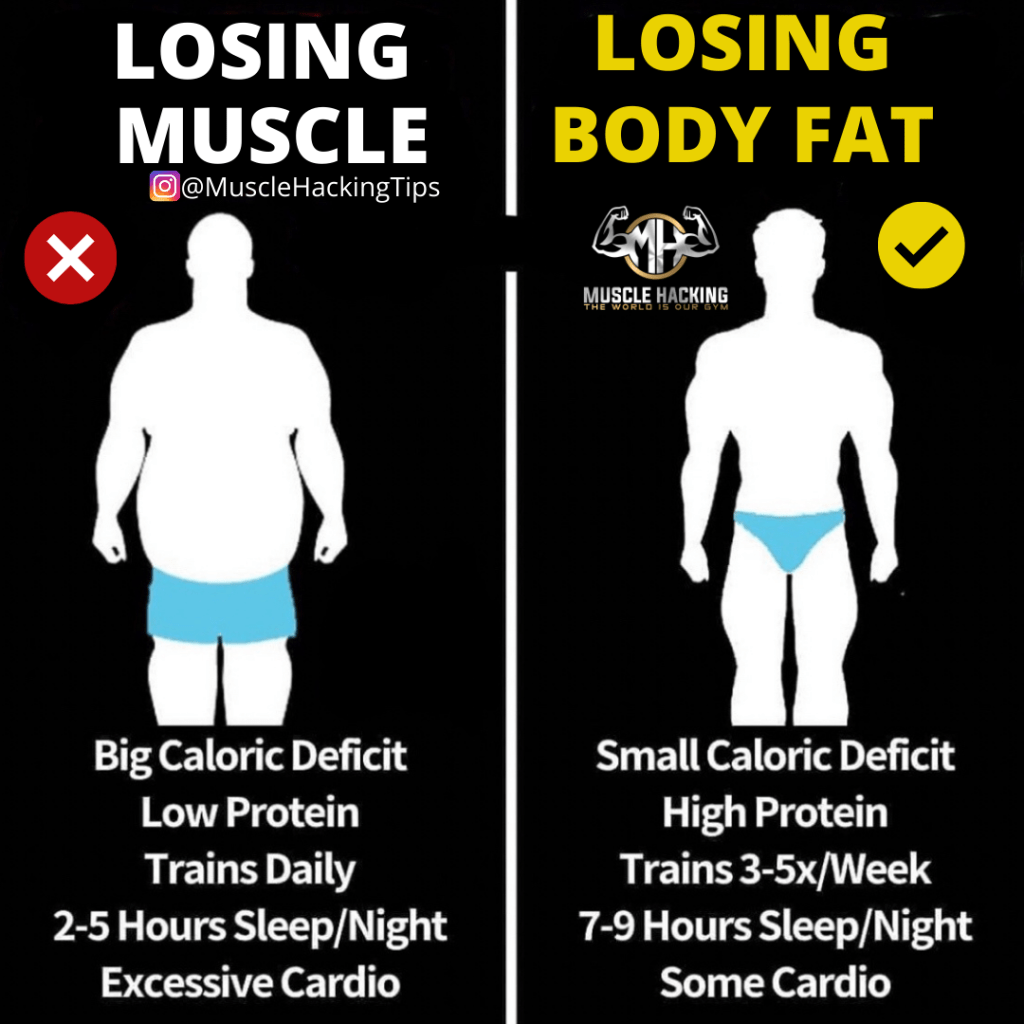
This is how you burn fat and maintain your muscle mass…
🔹 When tapping into a caloric deficit, it is imperative to ensure that you lose as much fat as possible, while retaining muscle mass. To maintain your muscle mass, you have to follow these few steps. . 🔹 Keep the deficit as small as you can, while still seeing the scales go down.
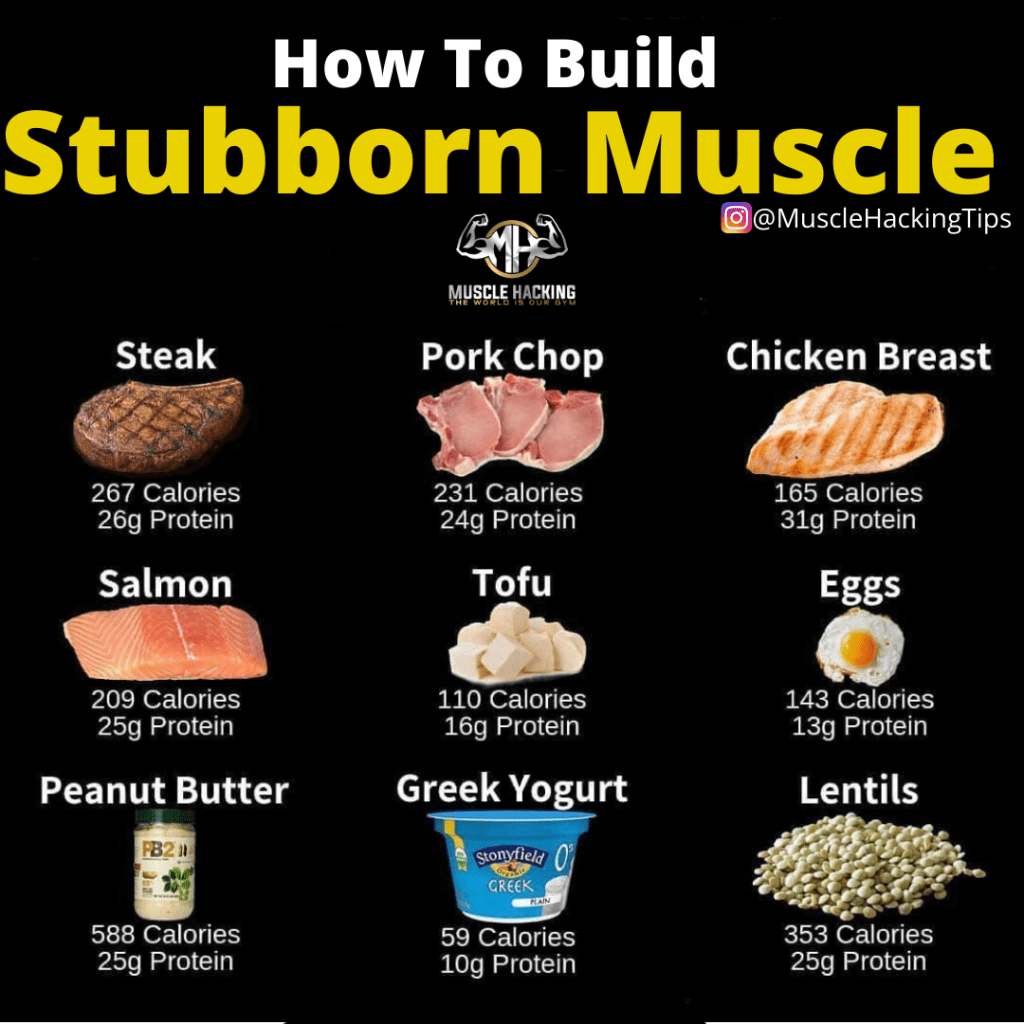
🔹 Keep your protein levels quite high.
🔹 Make sure you’re getting at least 7-9hrs of quality, uninterrupted sleep each night.
🔹 Focus on resistance training, to give body the right stimulus to keep all the muscle mass & avoid excessive amounts of cardio.
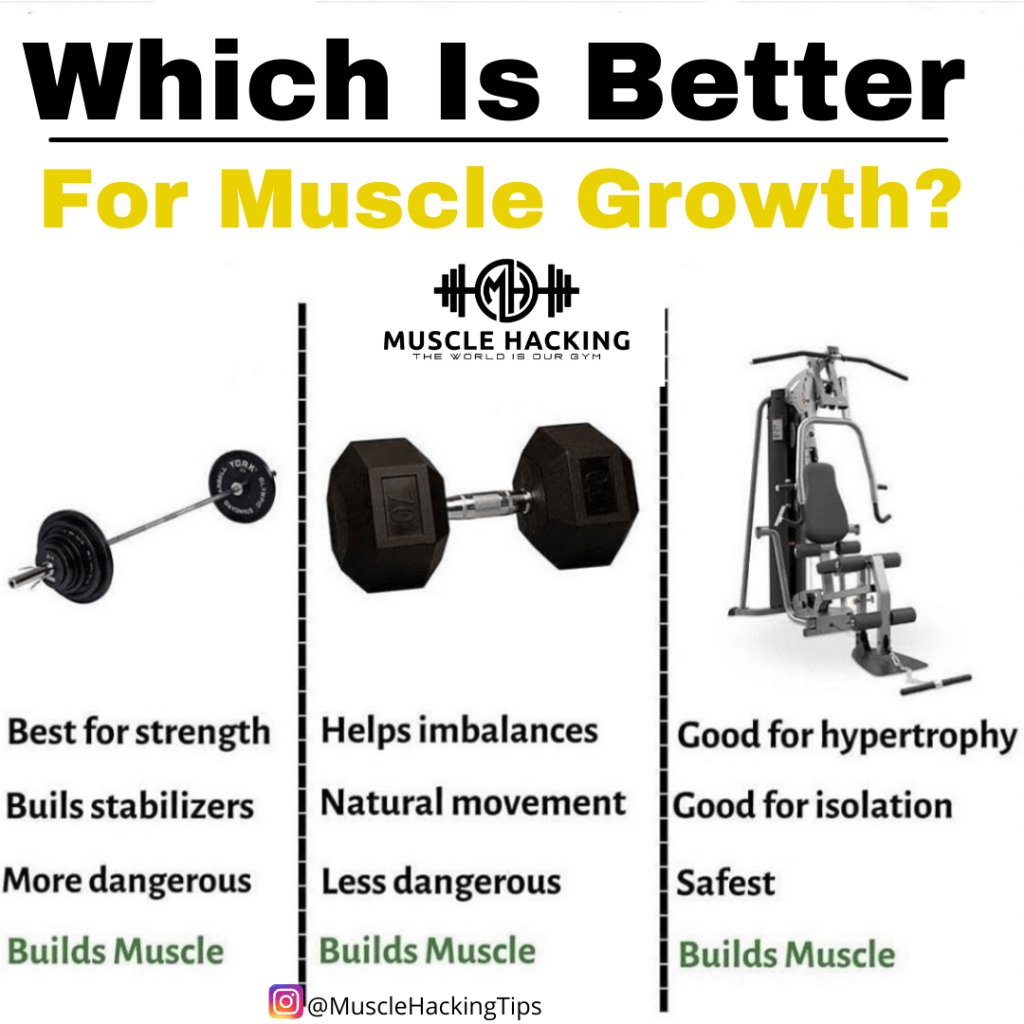
🔹 Everyone wants to know which is “best” between barbells, dumbbells, and machines. I hate describing anything as the best because like most things in fitness and in life, all three have benefits.
🔹 Barbells are best for strength since it’s easiest to go heavy with them. Dumbbells are ok for strength too but they can be more difficult to use in lower rep ranges since it’s a struggle just to get them into the starting position. Most machines are a bit awkward to use in lower rep ranges but the right machine can be great in higher rep ranges.
🔹 Barbells and dumbbells help build stabilizer muscles whereas machines do all the stabilizing for you. Your range of motion is a bit more natural with barbells and dumbbells since you are not locked into a straight path. Dumbbells can be helpful if you have uneven body parts since you can work each side evenly.
🔹 Barbells are the most dangerous since you could hurt yourself on several exercises without a spot whereas dumbbells can be dropped if you fail. Machines are obviously the safest.
🔹 All three have benefits and how you utilize all three will depend on your goals. A pretty good approach is to stick with mostly barbells for strength movements and incorporate dumbbells and machines in slightly higher rep ranges.
🔹 If you recently started training for less than a year, you don’t have any lagging muscle-groups yet, your entire body is adapting to the stimulus of working out and building muscle. With that said, if you’ve been training for some time time and you are now starting to notice that a certain muscle is lagging behind, you will need to implement some specialized techniques. Here are 4 things I’d recommend if your goal is to bring up a lagging muscle.
_
_
Tip Number 1: Increase Training Frequency
_
🔹 If you’re currently training a muscle-group once per week, I’d recommend that you increase your training to twice per week. This is a way to maximize training-induced protein synthesis and also increases your total volume.
_
Tip Number 2: Prioritize
_
🔹 If you’re trying to build bigger biceps, then avoid from leaving them for the end of your workout when you’re already taxed. Start prioritizing that muscle-group by putting it first.
_
Tip Number 3: Progressive Overload
_
🔹 Progressive overload is the main pathway of building muscle. And unless we’re gradually increasing the amount of work we do, no matter how hard we train, we’ll never grow. Get back to the basics – if you want to build your chest, you’ve got to bench press more weight or do more reps.
_
Tip Number 4: Eat Enough to Grow
_
No matter how solid your training is… if you’re not providing your body with the necessary nutrients to grow, you’ll never build any muscle mass. It’s synonymous to building a house without enough bricks – it doesn’t matter how many workers are present if they don’t have the necessary tools for the job that house will not be constructed.
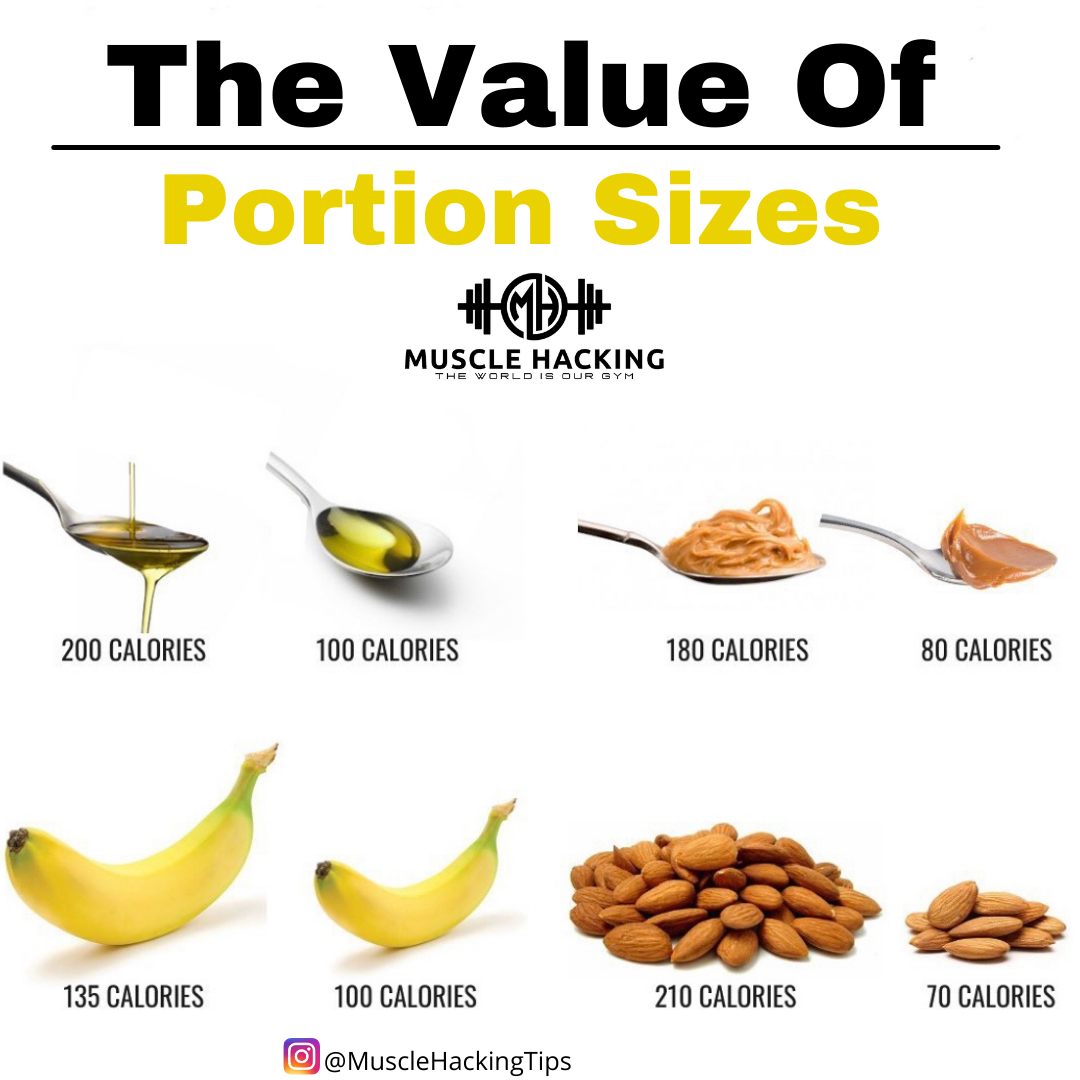
🔹 Guessing your serving sizes can work if you’re not serious about trying to lose or gain weight.
🔹 But if you DO want to drop some weight, measuring your portions and actually knowing how much food is going in your body is pretty important.
🔹 Especially if you are new to seriously transforming your body so that you can learn more about portion sizes.
🔹 Once you achieve your fitness goals, you can relax on the precision because you’ll know more about what to look for and what mistakes to avoid.
🔹 I’m not telling you to measure each and every single thing you eat.
🔹Just be aware that different amounts of food will have a different calorie content, that’s all..
🔹 Simple things such as peanut butter, oils and nuts are very dense in calories and can add up quickly so they are the things you want to watch out for. Small amounts add up overtime, and if you’re eating 500-1000 calories more than you thought in a week, you’ll wonder why you aren’t gaining any progress.
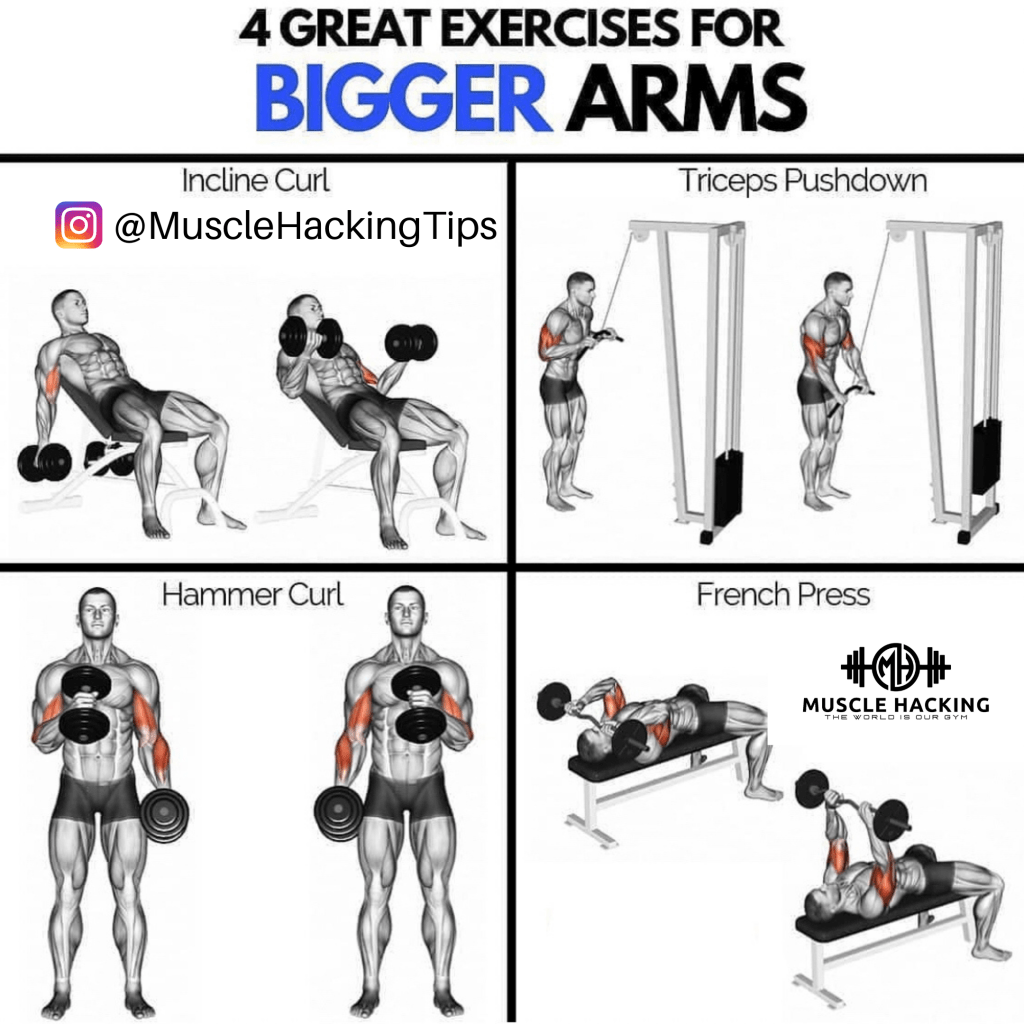
🔹On the left side of the infographic, you have two bicep workouts. The incline curl targets the long head of the bicep and the hammer curl hits both, the long head and the brachialis which helps increase the size of the bicep. On the eccentric movement (lowering the weight) try to slowly lower the dumbbell at around 5 seconds in order to fully activate the brachialis.
🔹 On the right side of the infographic, you have tricep push downs which targets the lateral head of the tricep. Switch to the rope to workout the medial head.
🔹 The second workout on the right side is the French Press, which hits the long head of the tricep.
🔹 Aim for 8 to 12 reps and 3 to 4 sets if your goal is for hypertrophy (muscle growth). If you’re going for strength do 5 sets of 5 reps. And to reach the endurance threshold go for 15 to 20 reps and 2 sets.
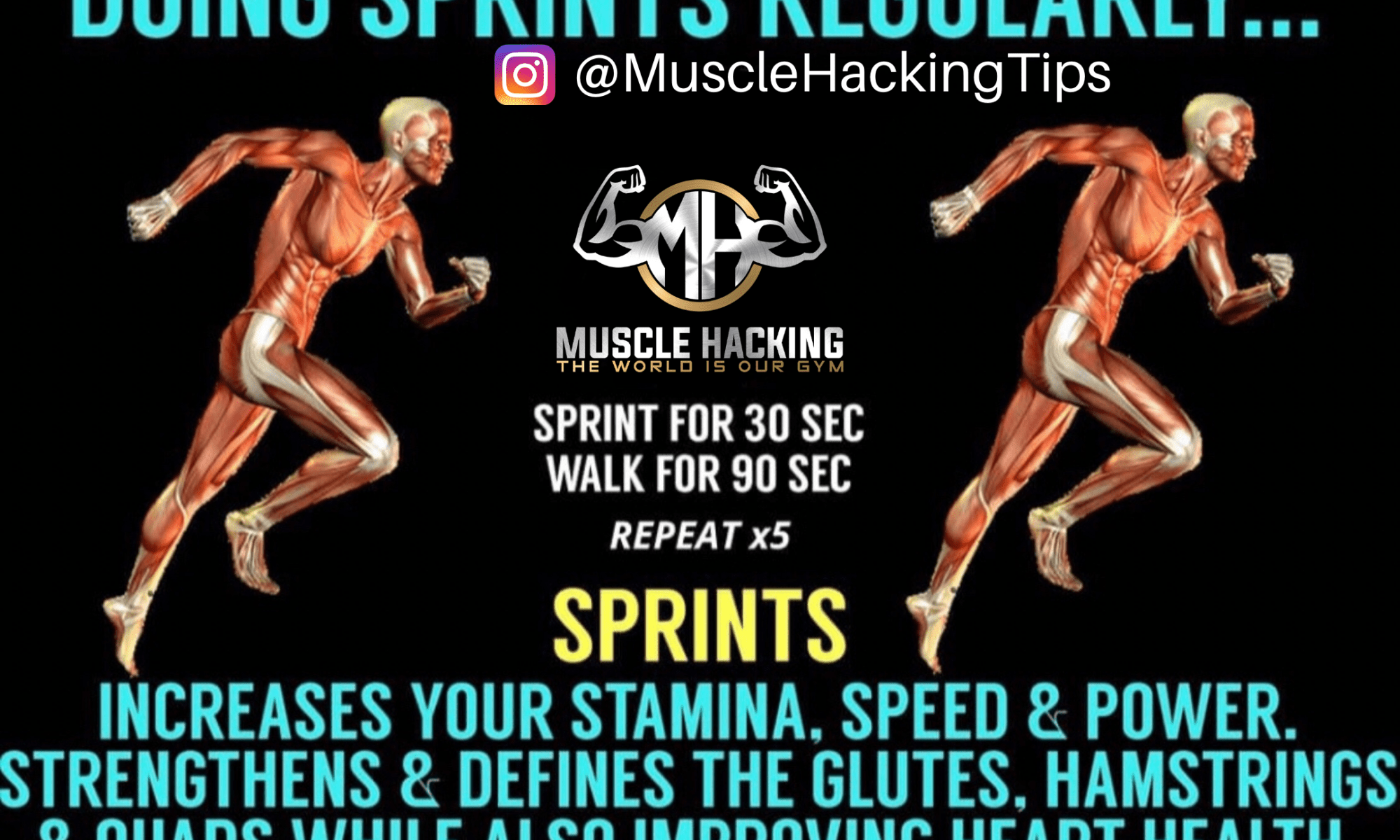
🔹 When sprinting, your heart rate speeds up to its maximum limits, while increasing the demand of blood flow to your legs.
🔹 Over time, sprinting can boost your heart, which allows you to workout more efficiently. This is because you are able to take in more oxygen as your cardiovascular system develops.
🔹 Sprinting is also known as an anaerobic exercise, which means that it requires a short burst of energy to produce lactic acid. This type of training increases your anaerobic threshold and the rate at which your body can produce lactic acid, allowing you to work harder for a longer period of time.
🔹 Sprinting also helps with making gains the same way that weight training does, because of the short burst of energy your body produces while targeting the fast twitch muscle fibers.
🔹 Sprinting increases your metabolism and burns more calories in a short period of time. It also burns calories after your workout; some call this the after burn effect.
🔹 So don’t waste your time jogging. Try hitting those sprints to optimize your gains and fat burn.
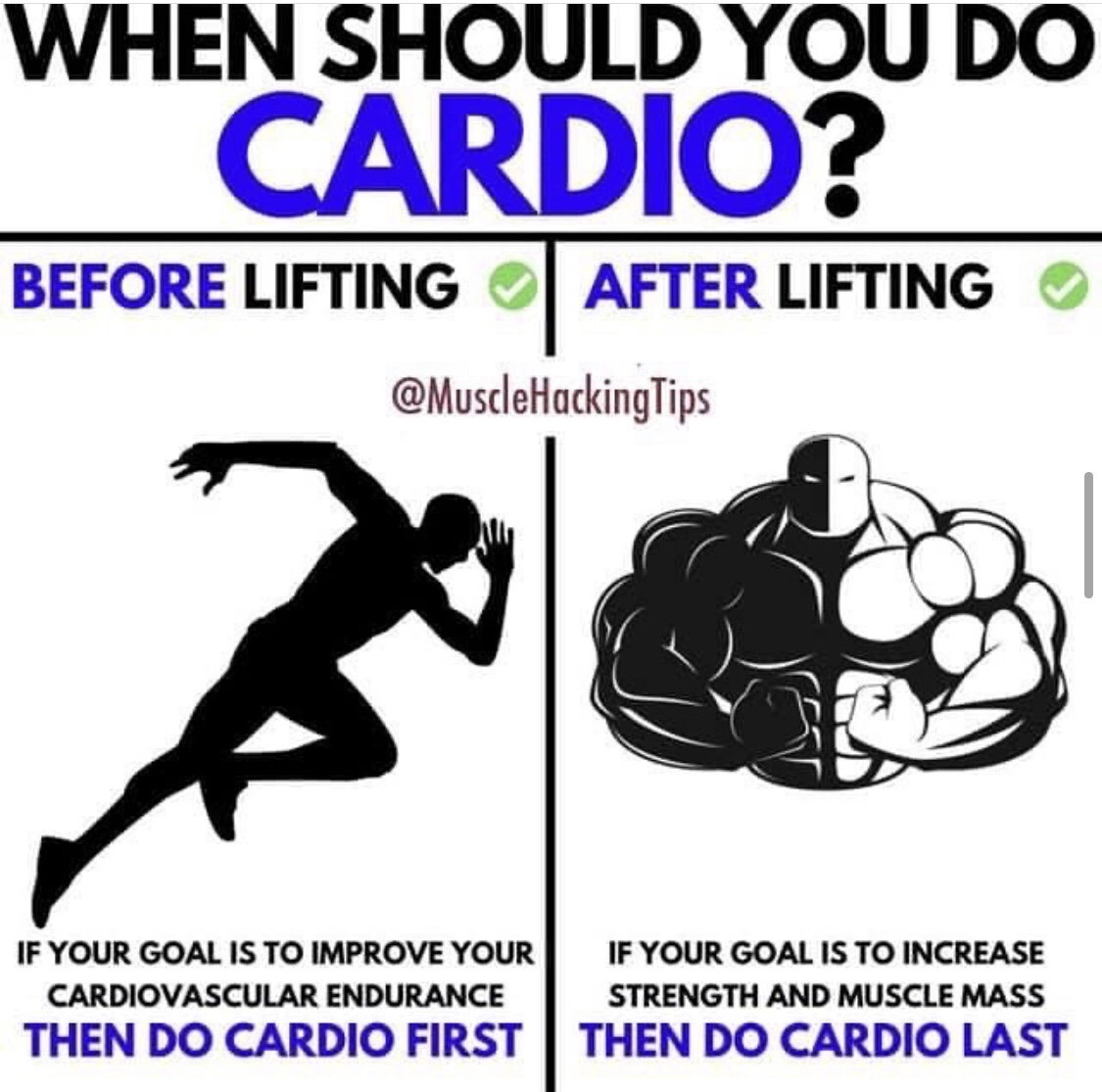
To simplify your decision, put what’s most important to you at the beggining of your workout.
For example, if you’re looking to build strength, implement your weight training first, or if you are trying to focus on endurance, put your cardio before your workout.
Studies have shown that performing too much cardio can be a hinderance to muscle growth. However, if you are a competitive bodybuilder, you want to implement HIIT cardio into your workout routine to prevent muscle loss.
In contrast, doing steady state cardio has a lot of benefits for people trying to lose weight, and it is usually best added after your workout or on a rest day.







 musclehacking.org