Boosting Metabolism

♠️Key To Boosting Metabolism♠️

🔹 If you are in a fat burning phase, you definitely want to focus on speeding up your metabolism through a phenomenon called the EPOC effect, which stands for, “Excessive Post-Exercise Oxygen Consumption.” The EPOC effect will produce more oxygen consumption to the body   in the post-workout period. This is beneficial because  when we consume more oxygen, we burn more calories. 

🔹 How and why does this happen?

🔹 Exercise will increase stress to the body. This interrupts our regular homeostasis. After our workouts, our bodies start to recover from this stress. Things such as tissue repair and nutrient replenishment require more energy, this is why we see increased calorie burning after we exercise. There are studies that show that this effect can last for as long as 38-hours. 

🔹 So let’s get to the question, “do all forms of exercise have the same effect”?

🔹 That’s precisely what this experiment investigated. Subjects performed workouts that burned the same amount of calories from resistance training, steady state cardio, and interval training. After that, they tracked their calorie burning throughout the post-workout period to see if there were any differences?

🔹 What were the results?

🔹 The steady state cardio group  didn’t boost metabolism one bit. Remember, the primary reason for an increase in metabolism  following a workout is due to things like tissue repair or nutrient replenishment. Steady state cardio typically isn’t stressful enough of a stimulus for most people so we don’t have as much muscle damage to repair or fuel stores to fill up.

🔹 On the other hand, both resistance training and interval training did increase metabolism. Both forms of exercise cause muscle damage and interval training will also deplete energy stores a little more than resistance training. Combine these two workouts and you’ll get a solid EPOC effect.

Resources:

https://www.researchgate.net/profile/Beau-Greer/publication/272187749_EPOC_Comparison_Between_Isocaloric_Bouts_of_Steady-State_Aerobic_Intermittent_Aerobic_and_Resistance_Training/links/56d264a608ae4d8d64a5f597/EPOC-Comparison-Between-Isocaloric-Bouts-of-Steady-State-Aerobic-Intermittent-Aerobic-and-Resistance-Training.pdf

https://minds.wisconsin.edu/bitstream/handle/1793/48951/Oschuenkemark2001.pdf

Stubborn Body Fat

♠️Stubborn Body Fat♠️

🔹There are three main factors that control how fast you lose fat from different parts of your body:⁣⁣

⁣⁣

1. How fat cells react  to catecholamines.⁣⁣

2. How fat cells react to insulin.⁣⁣

3. How much blood flow the area of fat cells receive.⁣⁣

⁣⁣

⁣⁣

🔹There are two types of catecholamine receptors in the fat cell: alpha-2 and beta-2. Each receptor responds differently when it gets a signal from a catecholamine. Beta-2 receptors will  prompt the cells to release more fat. But alpha-2 receptors tell the cells to stop releasing fat.⁣⁣

⁣⁣

🔹If a fat cell has more alpha-2 receptors than beta-2 receptors, it will release fat slower than other cells. When your brain senses that it has enough energy from other cells, it will  signal to the  fat cells to stop releasing their energy. Once this happens, the stubborn fat will not be released. 

⁣⁣

🔹These stubborn fat cells tend to gather in the same areas within your body. Let’s take the fat cells from the stomach for example; these fat cells are on average 10-20 times more responsive to catecholamines than the fat cells that are in the glutes. 

⁣⁣

🔹Fat cells can also have a different response to the effects of the hormone insulin, which is  another kind of signaling molecule. In general, insulin is considered a “storage hormone,” which means it helps nutrients such as fat enter cells. When insulin levels incline, fat burning will drop to zero, and vice versa. 

⁣⁣

🔹Certain kinds of fat, such as visceral fat, are more insulin resistant than others. They continue to release fat despite insulin being present. However, stubborn fat will stop releasing triglycerides as a response to insulin.⁣⁣

⁣⁣

🔹The amount of blood that  circulates throughout the different parts of your body also determines how much fat you lose. The areas in your body that receive more blood flow generally lose fat easier.

⁣⁣

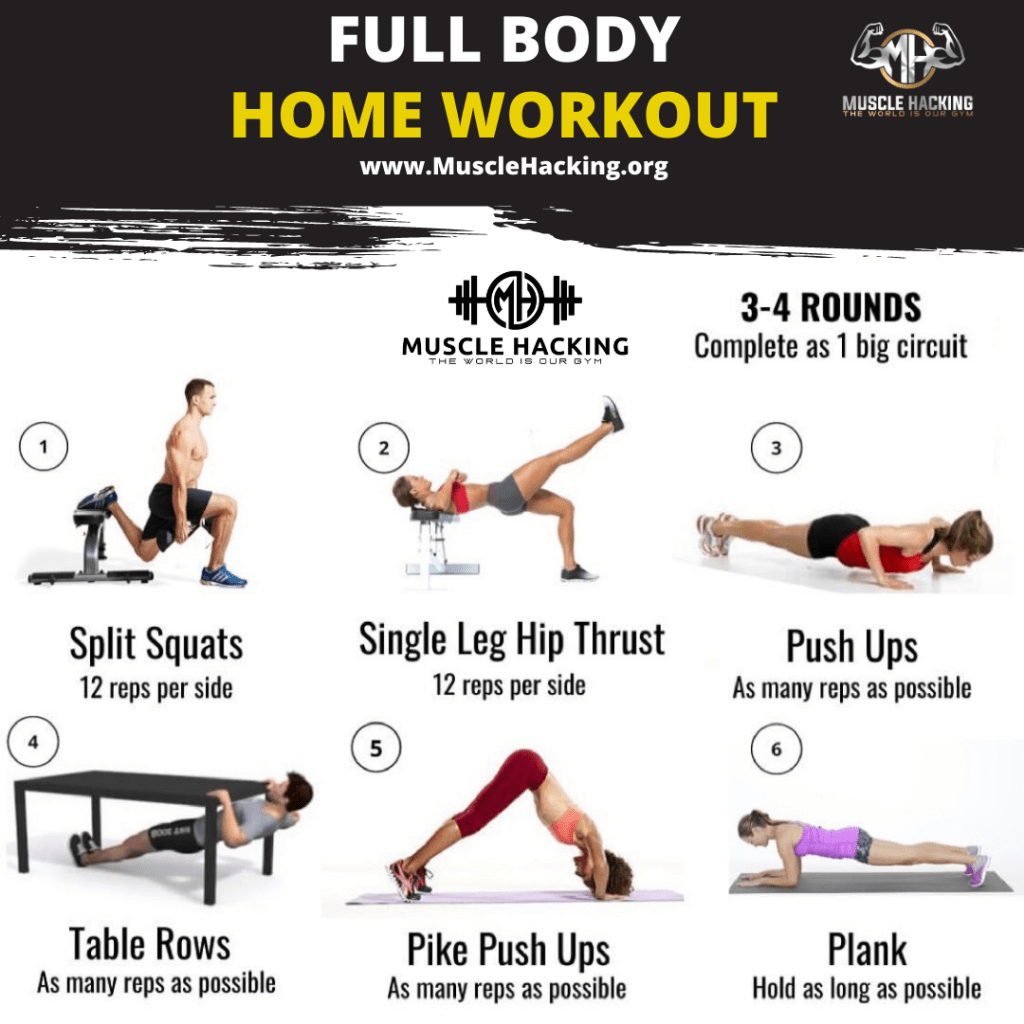
Full Body Home Workout

♠️HOME WORKOUT♠️

Here’s a little workout for you to do that requires absolutely no equipment (other than a table and chair) 

✅ Do the workout as one big circuit of 6 exercises

✅ Aim for 3-4 rounds of the circuit

✅ Take a 1 minute break after each round

Drinking Alcohol After A Workout

♠️Does alcohol consumption affect muscle hypertrophy♠️

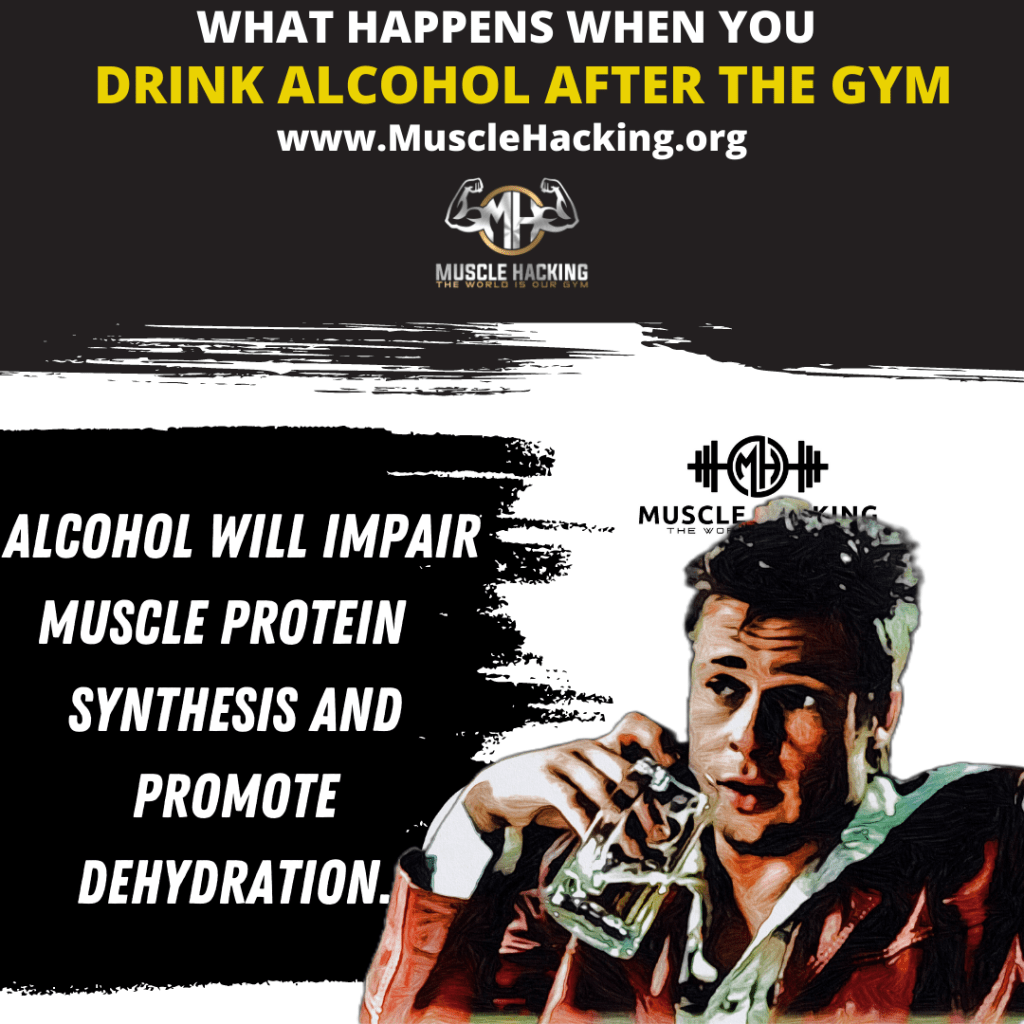
🔹Exercise and protein intake are the main factors that create muscle protein synthesis (the main process driving muscle adaptations, such as growth).

🔹It has been documented that athletes are more inclined to consume excessive amounts of alcohol, especially as part of binge-drinking practices in team sports. Can these binges affect muscle protein synthesis?

🔹There was a case study that researched on the the effects of post-exercise alcohol consumption on protein synthesis rates in healthy young subjects who work out regularly. The subjects first performed combined resistance and endurance exercises in order to mimic team sports. During an 8 hours of recovery, subjects consumed either:

-25 grams of protein

-25 grams of  protein and 12 standard alcoholic drinks

-25 grams of  carbohydrate and 12 standard alcoholic drinks

🔹The alcohol intake ended up reducing the  post-exercise muscle protein synthesis rates. But the post-exercise muscle protein synthesis rates were still elevated compared to the rest periods, even when alcohol was ingested.

🔹So what this means is  that even when you know that you will consume large amounts of alcohol afterwards, it is not an excuse to skip your training session.  

⚠️Keep in mind that the subjects received a large amount of alcohol (i.e. 12 drinks). The amount of alcohol in the study was  to mimic the binge drinking practices of sports players.  If the  alcohol consumption was lower, there would be much less of a effect.

🔹The conclusion is that consumption of large amounts of alcohol  after exercise lowers protein synthesis. 

Resources: https://pubmed.ncbi.nlm.nih.gov/24533082/

Hydration

♠️Hydration♠️

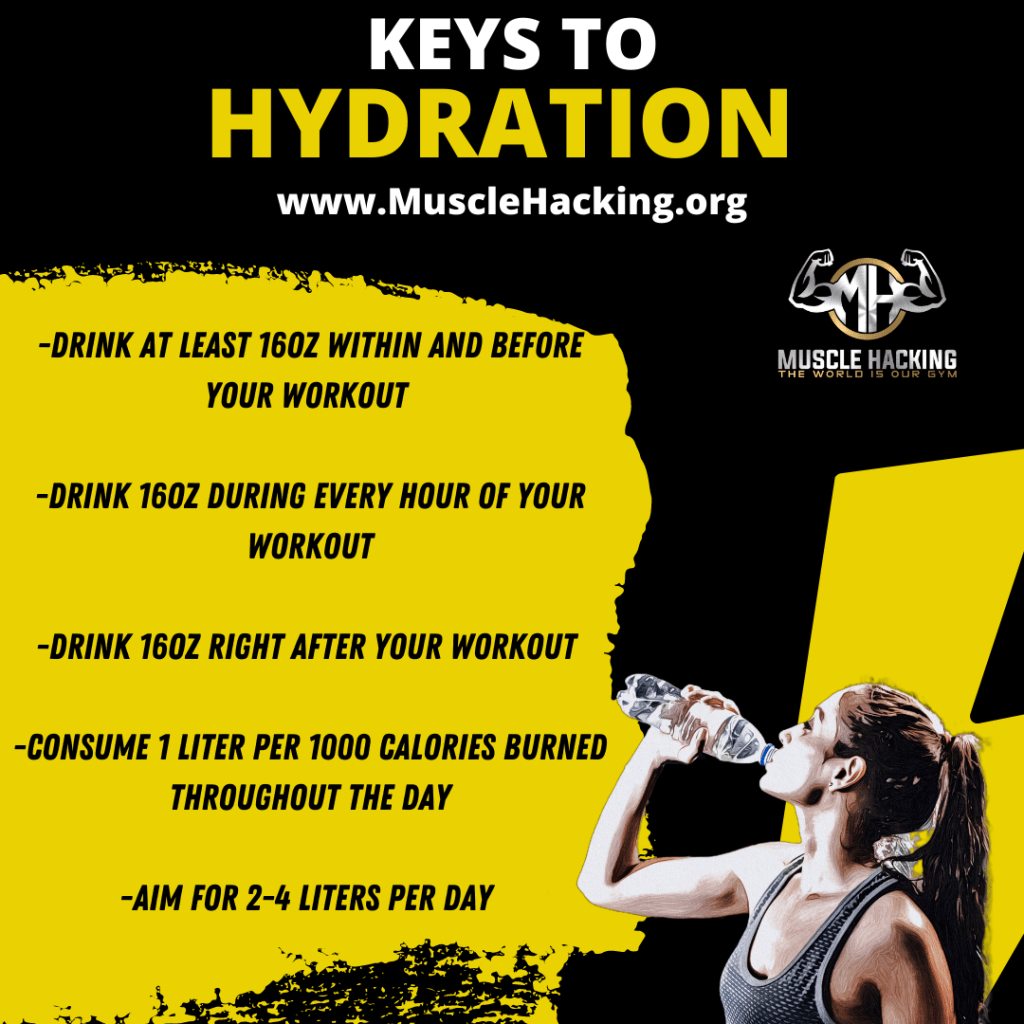
🔹 Drinking a 1/2 liter of water per hour of training is enough to prevent dehydration/lowering of body weight during exercise. 

🔹 A  liter of water is about 33 fluid ounces, so half would be 16.5 fl oz, or a medium-sized water bottle. A quick sip of water is normally about an ounce, give-or-take, so it’s easy to see that consuming 16-33 fl oz during exercise shouldn’t be too hard if you’re constantly grabbing a swig between each  set. 

🔹 Even if you’re not thirsty, it’s a good rule of thumb to hit the water fountain or grab a quick gulp from your bottle between sets. Work smarter, not harder is what I always say.

🔹 There was a study that states that ingesting 500mL (16.9 fl oz) about 2-hours before exercise is a good place to start. A good habit to start  is to simply start sipping on water at least two hours before your workout if you haven’t already been taking in water all day. 

🔹 If you are getting light-headed or nauseous during your workouts, you might not only be dehydrated, but it’s possible that you are experiencing symptoms of hyponatremia as well, which means your sodium levels are running low. 

🔹 Most sports drinks, like Gatorade, contain sodium so it might be a good idea to sip on a sports drink during your workout if you think you may have issues with sodium loss. 

🔹 Water may be one of the most important factors for your performance today and your gains in the long term. 

🔹 Good thing it’s one of the easiest deficits to overcome. Just get yourself a water bottle and keep it at your side at all times. If you don’t like plain water, add flavoring into it to make it more pleasurable. Whatever you have to do, just do it. 

Resources:

https://journals.lww.com/acsm-csmr/Abstract/2003/08000/Fluid_Balance_and_Endurance_Exercise_Performance.6.aspx

http://citeseerx.ist.psu.edu/viewdoc/download?doi=10.1.1.583.3481&rep=rep1&type=pdf

Working The Quads

♠️Working The Quads♠️

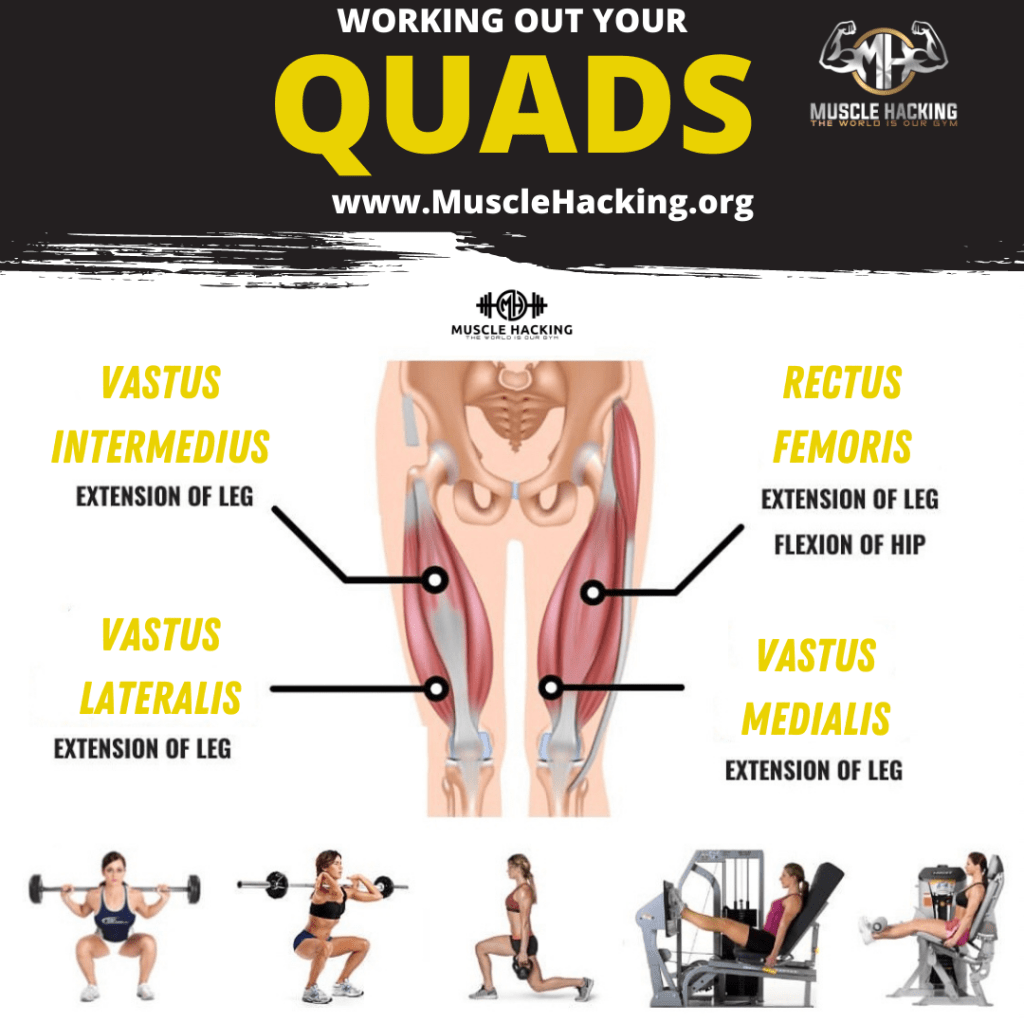
🔹Everyone needs strong quads to balance out the strenuous amount of hamstring and glute movements during leg day.

🔹The Quadriceps are made of  4 muscles that work together to extend your knee. They join together into one tendon which passes over your kneecap. The Rectus Femoris also helps flex the hip.

🔹They are a strong muscle group that often gets overly tight and pulls hard on the lonely tendon trying to hold them together at the bottom. Stretching, foam rolling and barbell smashing them will help loosen them up if they are getting tight.

🔹I would suggest that you put the majority of your focus on front squats, back squats and lunges when training your quads. The leg press can suffice and a narrower, lower foot position will target them more.

Intuitive Eating

♠️Intuitive Eating♠️

🔹If you want to become an expert at “Intuitive eating” you have to have a background & experience in calorie/macronutrient tracking, after having spent alot of time “in the trenches”, especially if you’re a body builder or somebody who wants to maximize their potential when it comes to maximizing muscle gains and or fat loss. ⁣

🔹Tracking calories isn’t always necessary for everyone, because we are different, have different backgrounds, mentality, habits, past dieting experiences and approaches to the method, and these are reasons why I would not instantly recommend the tracking method to 100% of the people.

🔹When it comes to intuitive eating, there should be a gradual progression into it.⁣

🔹Yet at the same time, if we want precise results, we need to use precise methods (such as calorie and macro tracking) and do enough practice with it to the point where our estimations can get very close to the “real numbers”. ⁣

🔹That’s the only way that  you can transition into intuitive eating, if maximizing your body composition is your goal. ⁣

🔹Even though tracking  can be tedious, it  educates the person on the caloric requirements needed for the individual’s goals, it gives informations on the specific nutrients included in foods, it helps understand the fact that no food should be necessarily excluded from the diet without context, and more, and these are all positive outcomes that can lead to making better dietary choices in the long run. ⁣

🔹From there, after having educated yourself to the point where it becomes “second nature” to track food intake & quantities, a transition to intuitive eating is seemingless and likely just as powerful in order to maintain, lose or gain weight. ⁣

Resources: 

https://pubmed.ncbi.nlm.nih.gov/23962472/

https://www.sciencedirect.com/science/article/abs/pii/S2212267213018960

⁣⁣

Egg Protein

♠️Egg Protein♠️

🔹Eggs are one of the best sources of high-quality protein.

🔹Compared to all whole foods, eggs have the highest protein digestibility-corrected amino acid score (PDCAAS)

🔹This score measures a protein’s quality and digestibility. 

🔹Eggs also decrease appetite and helps  you stay full for longer.

🔹The protein quality remains excellent but you might experience less fullness because egg protein powders are typically made from egg whites rather than whole eggs. 

🔹Eggs are a complete protein source, which means they have all nine essential amino acids that your body can’t make itself.

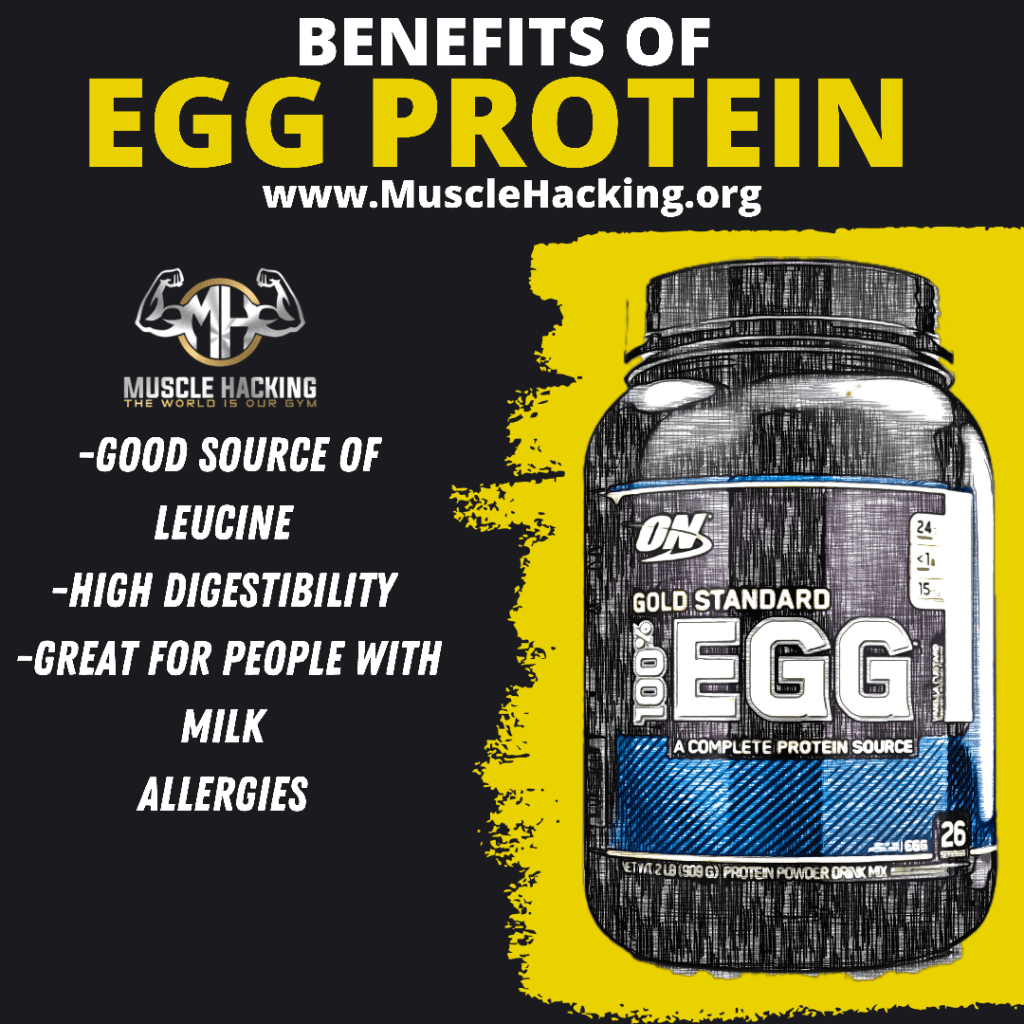
🔹Egg protein is ranked second to whey as the highest source of leucine, which is the BCAA that plays the biggest role in muscle health. 

🔹The only downfall is that egg-white protein hasn’t been studied as much as whey or casein.

🔹Egg-white protein is definitely a good choice for people that have dairy allergies who prefer a supplement based on animal protein.

Resources: 

https://pubmed.ncbi.nlm.nih.gov/10867064/

https://pubmed.ncbi.nlm.nih.gov/20226994/

https://www.researchgate.net/publication/232241300_Egg_Protein_as_a_Source_of_Power_Strength_and_Energy

Burning Fat

♠️How To Burn Fat♠️

🔹 Losing weight fast isn’t a sustainable solution, if it isn’t something you can keep doing for a longer period of time.⁠

⠀⁠

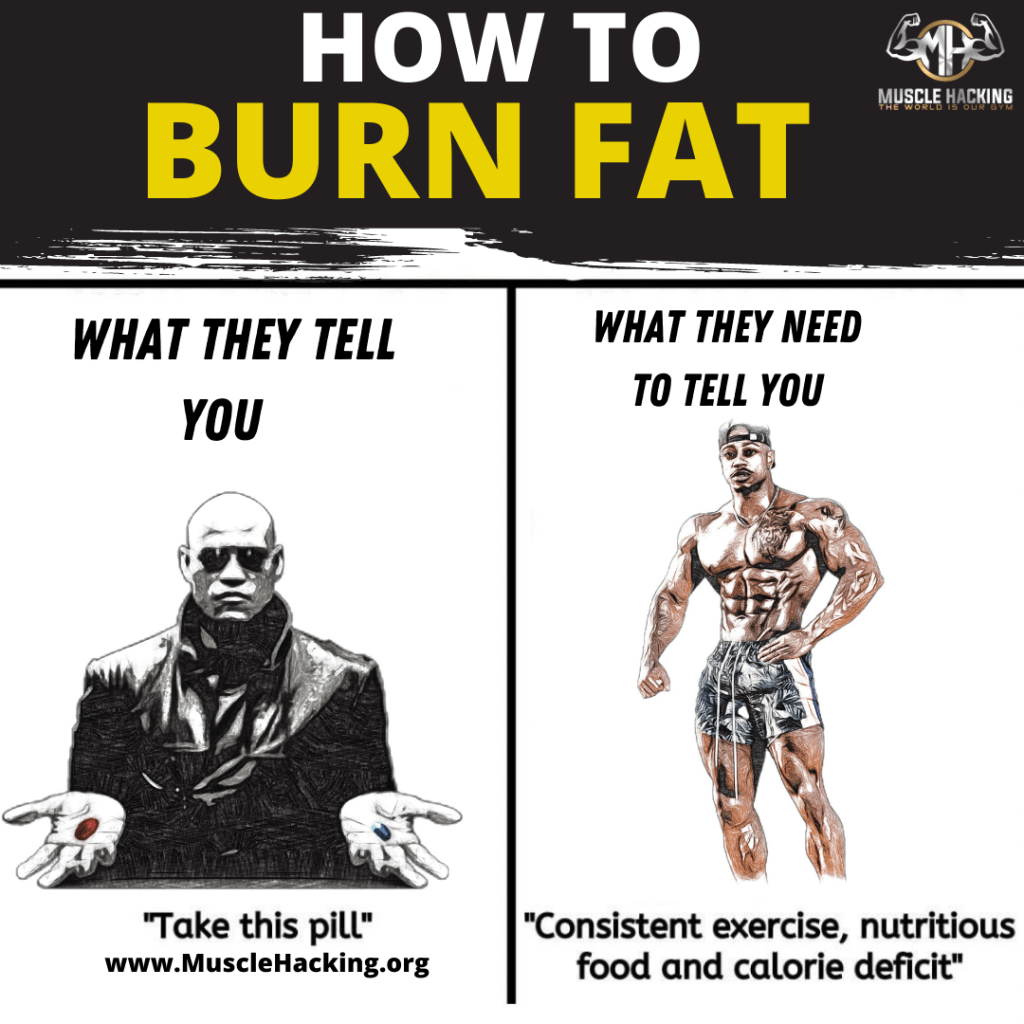
🔹 So if there’s a diet, pill, book, or something else that promises to magically transform your body in 2-weeks, it’s probably too good to be true.⁠

⠀⁠

🔹 Fat loss can be incredibly simple in nature, but many media outlets overcomplicate things.⁠

⠀⁠

🔹 What we need to do  is consistently exercise. We also need to consume nutritious food and stay in a caloric deficit.

⠀⁠

🔹 Creating these habits can take some time, that’s why the extremely restrictive diets don’t work in the long run for most people. And the good news is that you don’t need them to burn fat.⁠

⠀⁠

🔹 Another thing that helps a lot is support from a partner, friend, family member or an awesome coworker, who helps you get through some of the tougher obstacles.⁠

Polyphenols Benefits

♠️Polyphenol Benefits♠️

🔹 Polyphenols in the category of plant compounds that has many health benefits.

🔹 Consuming polyphenols will boost digestion, brain health, and protect against heart disease, type 2 diabetes, and some cancers.

🔹You can get polyphenols from red wine, dark chocolate, tea, and berries. 

🔹They are similar to antioxidants, which means they will neutralize harmful free radicals that would otherwise damage your cells and increase your risk of conditions like cancer, diabetes, and heart disease.

🔹Polyphenols can also reduce inflammation, which is the root cause of many chronic illnesses.

🔹 There are supplements available as well but they’re likely to be less beneficial than the food sources.

🔹Studies show that polyphenols may help lower your blood sugar levels, contributing to a lower risk of type 2 diabetes.

🔹That’s mainly because polyphenols prevents  the breakdown of starch into simple sugars, lowering the likelihood of blood sugar spikes after meals.

🔹Polyphenol-rich foods can work like a neurotropic and boost your focus and memory.

🔹There was a study that concluded  that drinking grape juice, which is naturally rich in polyphenols, helped significantly boost memory in older adults with mental impairments as fast as 12 weeks.

🔹 More research will be needed in order to identify effective and safe polyphenol supplement dosages.

🔹So for the time being, it’s better to rely on foods rather than supplementation  to boost your intake of these compounds.

Resources: 

https://www.ncbi.nlm.nih.gov/pmc/articles/PMC4728631/

https://www.ncbi.nlm.nih.gov/pmc/articles/PMC3614697/

https://www.ncbi.nlm.nih.gov/pmc/articles/PMC5601283/

https://pubmed.ncbi.nlm.nih.gov/20028599/